
Hey there! As a steel ball supplier, I often get asked some interesting questions about the applications of our products. One question that comes up quite a bit is, "Can steel balls be used in pneumatic systems?" Well, let's dive right into it and find out.
First off, let's quickly understand what pneumatic systems are. Pneumatic systems use compressed air to transmit and control energy. They're found in all sorts of places, from manufacturing plants to automotive workshops. These systems rely on components like valves, cylinders, and tubes to function properly.
Now, steel balls have some pretty cool properties that make them a potential candidate for use in pneumatic systems. Steel is known for its durability and strength. It can withstand high pressures and resist wear and tear. This means that steel balls can handle the forces and stresses that come with being part of a pneumatic system.
One of the main uses of steel balls in pneumatic systems is in valves. Valves are crucial in controlling the flow of compressed air. Steel balls can act as check valves. A check valve allows air to flow in one direction only. When the pressure on one side of the ball is higher than the other, the ball moves to either open or close the valve. This simple yet effective mechanism helps in regulating the air flow precisely.
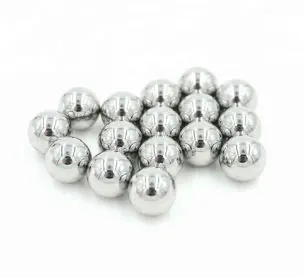
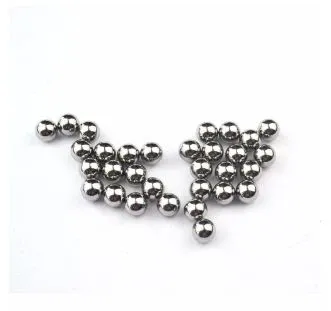
There are different types of steel balls that could be used in pneumatic systems. For instance, Inch Steel Ball are commonly used in industries where inch-based measurements are the norm. These balls come in various sizes, allowing for flexibility in design and application. They're made to high precision, ensuring a good fit and smooth operation within the pneumatic components.
Stainless Steel Ball are another great option. Stainless steel is resistant to corrosion, which is a big plus in pneumatic systems. Moisture can sometimes find its way into these systems, and if the components aren't corrosion-resistant, they can degrade over time. Stainless steel balls can maintain their integrity even in humid or corrosive environments, making them ideal for long - term use.
Metric Steel Ball are used in regions that follow the metric system. Just like their inch counterparts, they offer a wide range of sizes and high - quality manufacturing. The precision of these balls is essential for proper sealing and efficient operation in pneumatic valves and other components.
However, using steel balls in pneumatic systems isn't without its challenges. One issue is the weight of the steel balls. In some high - speed pneumatic applications, the relatively heavy steel balls might slow down the response time of the system. The inertia of the balls can cause a delay in opening or closing the valves, which could affect the overall performance.
Another consideration is the surface finish of the steel balls. Any roughness on the surface can cause friction, leading to wear on both the ball and the valve seat. This can result in leaks and reduced efficiency of the pneumatic system. So, it's crucial to use steel balls with a smooth surface finish to minimize these problems.
The compatibility of the steel with the other materials in the pneumatic system is also important. For example, if the valve body is made of a different metal, there could be issues with galvanic corrosion. This occurs when two different metals are in contact in the presence of an electrolyte (like moisture in the compressed air). To prevent this, proper coatings or materials selection need to be considered.
Despite these challenges, with the right design and selection of steel balls, they can be a valuable addition to pneumatic systems. In fact, many industries have successfully integrated steel balls into their pneumatic setups. For example, in the automotive industry, pneumatic systems with steel ball valves are used in engine control units and braking systems.
In the manufacturing sector, pneumatic systems with steel ball components are used for automated assembly lines. The precise control of air flow provided by the steel ball valves allows for accurate movement of robotic arms and other machinery.
So, to answer the question "Can steel balls be used in pneumatic systems?" - yes, they can. But it's not as simple as just throwing them in. You need to take into account factors like weight, surface finish, and material compatibility.
If you're in the market for steel balls for your pneumatic systems, we're here to help. As a steel ball supplier, we have a wide range of Inch Steel Ball, Stainless Steel Ball, and Metric Steel Ball to meet your specific needs. Our team of experts can assist you in selecting the right type and size of steel balls for your pneumatic applications. Whether you're looking for high - precision balls for a complex industrial system or just need a few for a small - scale project, we've got you covered. So, if you're interested in discussing your requirements further or want to place an order, don't hesitate to get in touch. We're eager to work with you to ensure your pneumatic systems run smoothly and efficiently.
References
- Pneumatic Systems Handbook, Various Industry Publications
- Steel Ball Manufacturing and Applications Literature, Industry - specific Magazines