
Can spherical rollers be used in a dusty environment? This is a question that many customers in various industries often ask. As a supplier of spherical rollers, I am here to provide a comprehensive analysis of this topic based on scientific knowledge and practical experience.
Characteristics of Spherical Rollers
Spherical rollers are a type of rolling element bearing that is designed to accommodate misalignment and heavy radial and axial loads. They have a unique spherical shape that allows them to self-align within the bearing housing, which helps to reduce stress and wear on the bearing components. This self-aligning feature makes spherical rollers particularly suitable for applications where shaft deflection or misalignment is likely to occur.
In addition to their self-aligning capabilities, spherical rollers also offer high load-carrying capacity. They are able to withstand heavy radial loads as well as moderate axial loads in both directions. This makes them ideal for use in a wide range of industrial applications, such as mining, construction, and manufacturing.
Challenges of Dusty Environments
Dusty environments present several challenges for rolling element bearings, including spherical rollers. Dust particles can enter the bearing and cause abrasion, wear, and damage to the rolling elements and raceways. This can lead to increased friction, heat generation, and premature failure of the bearing.
Another challenge of dusty environments is the potential for contamination of the lubricant. Dust particles can mix with the lubricant and form a grinding paste, which can further accelerate wear and damage to the bearing. In addition, dust can also absorb moisture, which can cause corrosion and rusting of the bearing components.
Can Spherical Rollers Be Used in a Dusty Environment?
The answer to this question is yes, spherical rollers can be used in a dusty environment, but certain precautions need to be taken to ensure their reliable operation. Here are some key considerations:
Sealing
One of the most important factors in using spherical rollers in a dusty environment is proper sealing. Seals are used to prevent dust and other contaminants from entering the bearing and to retain the lubricant inside. There are several types of seals available for spherical roller bearings, including contact seals, non-contact seals, and labyrinth seals.
Contact seals provide the best protection against dust and contaminants, but they also generate more friction and heat. Non-contact seals, on the other hand, offer lower friction and heat generation, but they are less effective at preventing dust from entering the bearing. Labyrinth seals are a combination of contact and non-contact seals, and they provide a good balance between protection and friction.
Lubrication
Proper lubrication is essential for the reliable operation of spherical rollers in a dusty environment. Lubricant helps to reduce friction, heat generation, and wear on the bearing components. It also helps to prevent corrosion and rusting of the bearing.
In a dusty environment, it is important to use a high-quality lubricant that is specifically designed for use in harsh conditions. The lubricant should have good anti-wear and anti-corrosion properties, as well as high resistance to dust and contaminants. It is also important to ensure that the lubricant is properly applied and maintained at the correct level.
Maintenance
Regular maintenance is also crucial for using spherical rollers in a dusty environment. This includes inspecting the bearings for signs of wear and damage, cleaning the bearings and seals, and replacing the lubricant at regular intervals.
In addition, it is important to monitor the operating conditions of the bearings, such as temperature, vibration, and noise. Any changes in these parameters could indicate a problem with the bearing, and immediate action should be taken to address it.
Application-Specific Considerations
The suitability of spherical rollers for a dusty environment also depends on the specific application. For example, in some applications, such as mining and construction, the dust may be particularly abrasive or corrosive. In these cases, additional measures may need to be taken to protect the bearings, such as using special coatings or materials.
In other applications, such as food processing or pharmaceutical manufacturing, the dust may be a health hazard. In these cases, it is important to use bearings that are designed to meet strict hygiene standards and that are easy to clean and sanitize.
Comparison with Other Types of Rollers
When considering the use of spherical rollers in a dusty environment, it is also important to compare them with other types of rollers, such as Cylindrical Roller and Interroll Tapered Roller.
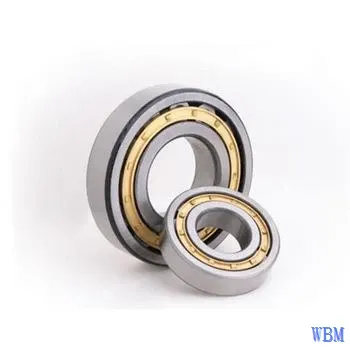
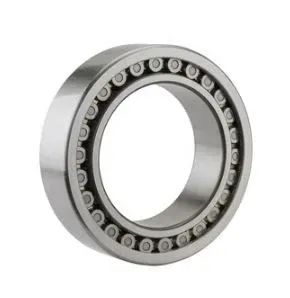
Cylindrical rollers are designed to handle high radial loads, but they have limited self-aligning capabilities. In a dusty environment, the lack of self-aligning capabilities can make cylindrical rollers more susceptible to misalignment and premature failure.
Interroll tapered rollers are designed to handle both radial and axial loads, but they also have limited self-aligning capabilities. In addition, the tapered shape of the rollers can make them more prone to dust accumulation and wear.
In comparison, spherical rollers offer a unique combination of self-aligning capabilities and high load-carrying capacity, which makes them well-suited for use in a dusty environment.
Conclusion
In conclusion, spherical rollers can be used in a dusty environment, but proper precautions need to be taken to ensure their reliable operation. This includes using proper sealing, lubrication, and maintenance, as well as considering the specific application requirements. By following these guidelines, spherical rollers can provide long-term, reliable performance in even the most challenging dusty environments.
If you are interested in learning more about our spherical rollers or have any questions about using them in a dusty environment, please feel free to contact us. We would be happy to discuss your specific needs and provide you with the best solutions for your application.
References
- Harris, T. A., & Kotzalas, M. N. (2007). Rolling Bearing Analysis. Wiley.
- SKF Bearing Handbook. (2010). SKF Group.
- Timken Engineering Handbook. (2013). The Timken Company.