
Can solid steel balls be used in hydraulic systems?
Hydraulic systems are a cornerstone of modern engineering, powering everything from heavy machinery to precision manufacturing equipment. These systems rely on the transfer of fluid power to generate force and motion, and the choice of components can significantly impact their performance, efficiency, and reliability. One question that often arises is whether solid steel balls can be used in hydraulic systems. As a supplier of Solid Steel Balls, I'll explore this topic in detail, examining the properties of solid steel balls, their potential applications in hydraulic systems, and the considerations to keep in mind when using them.
Properties of Solid Steel Balls
Solid steel balls are known for their exceptional hardness, durability, and precision. They are typically made from high-quality steel alloys, such as chrome steel or 316 Stainless Steel Balls, which offer excellent resistance to wear, corrosion, and deformation. These properties make solid steel balls ideal for a wide range of applications, including ball bearings, valves, and precision measuring instruments.
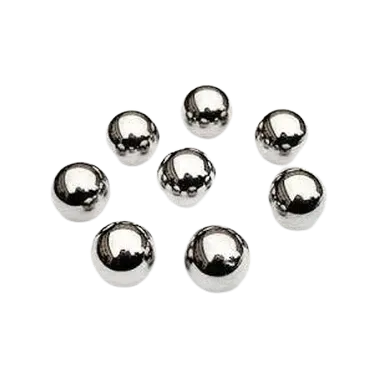
- Hardness: The hardness of solid steel balls is a critical factor in their performance. Harder balls are more resistant to wear and deformation, which can help to extend the lifespan of hydraulic components and improve system efficiency. The hardness of steel balls is typically measured using the Rockwell hardness scale, with values ranging from 58 to 66 HRC for high-quality chrome steel balls.
- Durability: Solid steel balls are highly durable and can withstand high loads and pressures without breaking or deforming. This makes them suitable for use in hydraulic systems that operate under harsh conditions, such as high temperatures, high pressures, and corrosive environments.
- Precision: Solid steel balls are manufactured to extremely tight tolerances, ensuring consistent size, shape, and surface finish. This precision is essential for applications that require accurate movement and positioning, such as hydraulic valves and actuators.
Potential Applications of Solid Steel Balls in Hydraulic Systems
Solid steel balls can be used in a variety of hydraulic system components, including valves, pumps, and actuators. Here are some specific applications where solid steel balls can provide significant benefits:
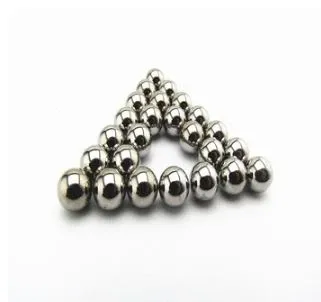
- Check Valves: Check valves are used to control the flow of fluid in a hydraulic system, allowing it to flow in one direction only. Solid steel balls are commonly used as the closing element in check valves, providing a reliable and efficient sealing mechanism. The hardness and precision of the steel balls ensure a tight seal, preventing backflow and maintaining system pressure.
- Ball Valves: Ball valves are another type of valve commonly used in hydraulic systems. They consist of a spherical disc with a hole in the center, which can be rotated to control the flow of fluid. Solid steel balls are used as the disc in ball valves, providing a smooth and precise flow control. The durability of the steel balls ensures long-term performance, even in high-pressure applications.
- Pump Components: Solid steel balls can also be used in hydraulic pumps, where they play a crucial role in the pumping action. For example, in a piston pump, steel balls are used to transfer the reciprocating motion of the pistons to the fluid, creating pressure and flow. The hardness and precision of the steel balls ensure efficient pumping and reliable operation.
- Actuators: Hydraulic actuators are used to convert hydraulic energy into mechanical motion, such as linear or rotary motion. Solid steel balls can be used in actuator components, such as ball screws and linear guides, to provide smooth and precise movement. The durability of the steel balls ensures long-term performance, even in high-load applications.
Considerations When Using Solid Steel Balls in Hydraulic Systems
While solid steel balls offer many advantages for hydraulic systems, there are also some considerations to keep in mind when using them:
- Compatibility: The compatibility of solid steel balls with the hydraulic fluid used in the system is crucial. Some hydraulic fluids may contain additives or contaminants that can react with the steel balls, causing corrosion or other forms of damage. It's important to choose a hydraulic fluid that is compatible with the steel balls and to follow the manufacturer's recommendations for fluid selection and maintenance.
- Lubrication: Proper lubrication is essential for the smooth operation of solid steel balls in hydraulic systems. Lubrication helps to reduce friction and wear, prevent corrosion, and dissipate heat. It's important to use a lubricant that is compatible with the hydraulic fluid and the steel balls and to ensure that the lubrication system is properly maintained.
- Contamination: Contamination is a common problem in hydraulic systems, and it can have a significant impact on the performance and lifespan of solid steel balls. Particles of dirt, debris, or metal can cause abrasion and wear on the steel balls, leading to premature failure. It's important to use a high-quality filtration system to remove contaminants from the hydraulic fluid and to regularly inspect and clean the system to prevent contamination.
- Installation and Maintenance: Proper installation and maintenance are essential for the reliable operation of solid steel balls in hydraulic systems. It's important to follow the manufacturer's instructions for installation and to use the correct tools and techniques. Regular maintenance, such as inspection, cleaning, and lubrication, can help to ensure the long-term performance of the steel balls and the hydraulic system as a whole.
Conclusion
In conclusion, solid steel balls can be a valuable component in hydraulic systems, offering exceptional hardness, durability, and precision. They can be used in a variety of applications, including valves, pumps, and actuators, to provide reliable and efficient performance. However, it's important to consider the compatibility of the steel balls with the hydraulic fluid, the need for proper lubrication and contamination control, and the importance of proper installation and maintenance.
As a supplier of Solid Steel Balls, we are committed to providing high-quality products and technical support to our customers. If you are considering using solid steel balls in your hydraulic system, we would be happy to discuss your specific requirements and provide you with the information and products you need. Contact us today to learn more about our Solid Steel Balls and how they can benefit your hydraulic system.
References
- Fluid Power Handbook, Edited by Arthur R. Bailey
- Hydraulic Systems: Technology and Design, by Heinz P. Bloch and Fred K. Geitner
- Rolling Bearing Analysis, by Tedric A. Harris and Michael N. Kotzalas