
Can precision steel balls be used in food - grade applications?
As a supplier of precision steel balls, I often get asked whether our products can be used in food - grade applications. This is a crucial question considering the strict regulations and safety standards in the food industry. In this blog post, I'll delve into the factors that determine the suitability of precision steel balls for food - grade uses and provide a comprehensive analysis.
Material Composition of Precision Steel Balls
Precision steel balls are typically made from different types of steel, such as carbon steel, stainless steel, and alloy steel. When it comes to food - grade applications, stainless steel is the most commonly considered option. Stainless steel contains chromium, which forms a passive oxide layer on the surface of the ball. This layer protects the steel from corrosion and makes it resistant to the harsh chemicals and cleaning agents often used in the food industry.
For example, Stainless Steel Ball is a popular choice. Grade 304 and 316 stainless steel are frequently used in food - contact applications. Grade 304 stainless steel contains about 18% chromium and 8% nickel, providing good corrosion resistance. Grade 316 stainless steel, on the other hand, has an additional 2 - 3% molybdenum, which enhances its resistance to pitting and crevice corrosion, making it even more suitable for environments where the steel balls may come into contact with salty or acidic food products.
Carbon steel, although strong and durable, is generally not recommended for food - grade applications. Carbon steel is prone to rusting, and rust particles can contaminate the food, posing a health risk. Alloy steel also has its limitations in food - grade uses, as some of the alloying elements may not be safe for food contact.
Surface Finish and Cleanliness
The surface finish of precision steel balls is another critical factor. In food - grade applications, the steel balls need to have a smooth surface to prevent the accumulation of food particles and bacteria. A rough surface can create pockets where food residues can get trapped, providing a breeding ground for microorganisms.
Our precision steel balls are manufactured with high - precision grinding and polishing processes to achieve a smooth surface finish. This not only reduces the risk of food contamination but also makes the balls easier to clean. Regular cleaning and sanitization are essential in food - grade applications, and a smooth surface allows for more effective cleaning.
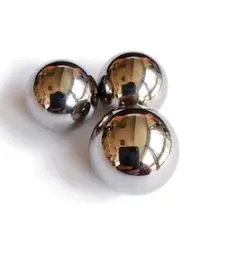
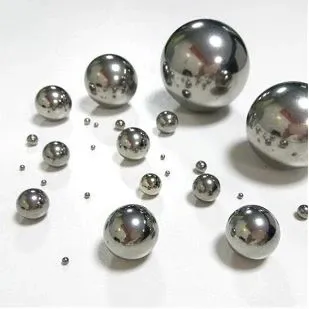
In addition to the surface finish, the cleanliness of the steel balls during the manufacturing process is of utmost importance. We have strict quality control measures in place to ensure that the steel balls are free from contaminants such as oil, grease, and metal shavings. Before shipping, the balls are thoroughly cleaned and inspected to meet the high - standards required for food - grade applications.
Regulatory Compliance
The food industry is heavily regulated, and any product used in food - grade applications must comply with relevant regulations. In the United States, the Food and Drug Administration (FDA) sets the standards for materials that come into contact with food. The European Union also has its own set of regulations, such as the EU Food Contact Materials Regulation.
Our precision steel balls are manufactured in accordance with these regulations. We ensure that the materials used in the production of the balls are safe for food contact and that the manufacturing processes do not introduce any harmful substances. This includes using food - grade lubricants during the manufacturing process and ensuring that the final product does not leach any toxic chemicals into the food.
Applications of Precision Steel Balls in the Food Industry
There are several applications where precision steel balls can be used in the food industry. One common application is in food processing equipment, such as mixers, grinders, and conveyors. In these machines, the steel balls are used as rolling elements in bearings, which help to reduce friction and ensure smooth operation.
For example, in a meat grinder, the bearings with precision steel balls allow the blades to rotate smoothly, ensuring efficient grinding of the meat. The smooth operation of the equipment not only improves the quality of the food product but also reduces the risk of mechanical failures that could lead to food contamination.
Another application is in food packaging machinery. Precision steel balls are used in the moving parts of packaging machines, such as filling nozzles and sealing mechanisms. The high - precision and reliability of the steel balls ensure accurate filling and sealing, which is crucial for maintaining the freshness and safety of the food products.
Advantages of Using Precision Steel Balls in Food - Grade Applications
Using precision steel balls in food - grade applications offers several advantages. Firstly, their high precision and durability ensure long - term performance of the equipment. This reduces the need for frequent replacement of parts, which can be costly and time - consuming.
Secondly, the corrosion resistance of stainless steel balls means that they can withstand the harsh conditions in the food industry, such as exposure to water, acids, and alkalis. This extends the lifespan of the equipment and reduces the risk of contamination due to rust or corrosion.
Finally, the smooth surface finish of precision steel balls makes them easy to clean and sanitize, which is essential for maintaining food safety. This helps food manufacturers to comply with strict hygiene standards and reduce the risk of foodborne illnesses.
Challenges and Considerations
While precision steel balls can be used in food - grade applications, there are still some challenges and considerations. One challenge is the cost. Stainless steel, especially high - quality grades like 316, is more expensive than other types of steel. This can increase the overall cost of the equipment.
Another consideration is the potential for wear and tear. Although precision steel balls are durable, they can still wear out over time, especially in high - load or high - speed applications. Regular inspection and maintenance are required to ensure that the steel balls are in good condition and to replace them when necessary.
Conclusion
In conclusion, precision steel balls, especially those made of stainless steel, can be used in food - grade applications. Their material composition, surface finish, and compliance with regulations make them suitable for use in food processing and packaging equipment. However, it is important to consider the cost, wear and tear, and regulatory requirements when using precision steel balls in the food industry.
If you are in the food industry and are looking for high - quality precision steel balls for your applications, we are here to help. Our team of experts can provide you with detailed information about our products and help you choose the right steel balls for your specific needs. Whether you need Metal Ball or Large Steel Ball, we have a wide range of options to meet your requirements. Contact us to start a discussion about your procurement needs and let's work together to ensure the safety and efficiency of your food production processes.
References
- Food and Drug Administration (FDA) regulations on food contact materials.
- EU Food Contact Materials Regulation.
- Industry standards for precision steel ball manufacturing.