
Can precision steel balls be used in automotive engines? This is a question that many automotive engineers, enthusiasts, and industry professionals often ponder. As a supplier of precision steel balls, I am well - versed in the properties and applications of these tiny yet crucial components, and I'm excited to delve into this topic.
Properties of Precision Steel Balls
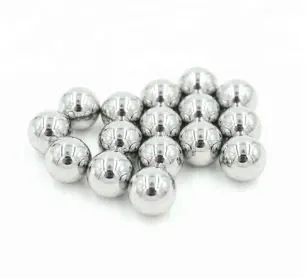
Precision steel balls come in various types, each with its own unique set of properties. The most common types are carbon steel balls, stainless steel balls, and those conforming to standards like Din 5401 Steel Ball.
Carbon steel balls, as the name suggests, are made primarily of carbon steel. They are known for their high hardness and good wear resistance. These balls can withstand significant pressure and friction, making them suitable for applications where durability is key. You can learn more about Carbon Steel Ball on our website.
Stainless steel balls, on the other hand, offer excellent corrosion resistance. They are made from stainless steel alloys, which contain elements like chromium that form a protective oxide layer on the surface. This makes them ideal for use in environments where exposure to moisture, chemicals, or other corrosive substances is a concern. Check out our Stainless Steel Ball product page for more details.
Din 5401 Steel Ball is a type of precision steel ball that adheres to the DIN 5401 standard. This standard specifies the requirements for the geometric and physical properties of steel balls, ensuring high precision and quality. These balls are often used in applications where tight tolerances are necessary. For more information about Din 5401 Steel Ball, visit our dedicated page.
Applications in Automotive Engines
Automotive engines are complex machines that require components with high precision and reliability. Precision steel balls can play several important roles in these engines.
Valve Train Systems
In the valve train system of an automotive engine, precision steel balls are used in the rocker arm assemblies. The rocker arms transfer the motion from the camshaft to the valves, and the steel balls help to reduce friction and ensure smooth operation. The high hardness and wear resistance of carbon steel balls make them a suitable choice for this application. They can withstand the high - speed and high - load conditions within the valve train, ensuring long - term performance and reliability.
Fuel Injection Systems
Fuel injection systems are critical for the efficient operation of modern automotive engines. Precision steel balls are used in the injectors to control the flow of fuel. The tight tolerances of Din 5401 Steel Ball ensure accurate fuel metering, which is essential for optimal engine performance, fuel efficiency, and reduced emissions. The corrosion resistance of stainless steel balls is also beneficial in this application, as the fuel injection system is exposed to fuel additives and other potentially corrosive substances.
Bearings
Bearings are used throughout the engine to support rotating components and reduce friction. Precision steel balls are a key component of many types of bearings, such as ball bearings. In the engine, bearings are used in the crankshaft, camshaft, and other rotating parts. The smooth surface and high precision of the steel balls help to minimize friction and vibration, improving the overall efficiency and durability of the engine.
Advantages of Using Precision Steel Balls in Automotive Engines
High Precision
Precision steel balls are manufactured to very tight tolerances. This high precision ensures accurate operation of the engine components in which they are used. In applications like fuel injection systems and valve train assemblies, even a small deviation in the size or shape of the ball can have a significant impact on engine performance. The precision of our steel balls helps to maintain consistent engine operation, resulting in better fuel efficiency, lower emissions, and improved power output.

Wear Resistance
Automotive engines operate under harsh conditions, with high temperatures, pressures, and friction. Precision steel balls, especially those made of carbon steel, have excellent wear resistance. They can withstand the constant rubbing and impact forces within the engine without significant wear, which extends the service life of the engine components and reduces the need for frequent maintenance and replacement.
Corrosion Resistance
Stainless steel precision steel balls offer excellent corrosion resistance. In an engine, components are often exposed to moisture, fuel additives, and other corrosive substances. The corrosion - resistant properties of stainless steel balls protect them from damage, ensuring the long - term reliability of the engine components in which they are used.
Challenges and Considerations
While precision steel balls offer many advantages for use in automotive engines, there are also some challenges and considerations that need to be taken into account.
Cost
Precision manufacturing processes are often more expensive, which can increase the cost of precision steel balls compared to other types of components. However, the long - term benefits of using high - quality steel balls, such as improved engine performance, reduced maintenance costs, and longer service life, often outweigh the initial investment.
Material Compatibility
It is important to ensure that the material of the precision steel ball is compatible with the other materials in the engine component. For example, in some applications, the ball may need to be compatible with the lubricant used in the engine to prevent chemical reactions that could lead to corrosion or wear.
Installation and Handling
Proper installation and handling of precision steel balls are crucial. They are small and delicate components, and any damage during installation can affect their performance. Special care must be taken to ensure that the balls are installed correctly and that they are protected from contamination and damage during handling.
Conclusion
In conclusion, precision steel balls can indeed be used in automotive engines, and their use offers many advantages. From valve train systems to fuel injection systems and bearings, these tiny components play a crucial role in the efficient and reliable operation of modern automotive engines. As a supplier of precision steel balls, we are committed to providing high - quality products that meet the strict requirements of the automotive industry.
If you are interested in learning more about our precision steel balls or are considering using them in your automotive engine applications, we invite you to contact us for a detailed discussion. Our team of experts is ready to assist you in selecting the right type of steel ball for your specific needs and to provide you with all the necessary technical support.
References
- "Automotive Engine Design" by Gordon P. Blair
- "Precision Ball Manufacturing Technology" by industry research reports
- DIN 5401 standard documentation