
Can needle rollers be used in robotics? This is a question that has intrigued many in the field of robotics and engineering. As a supplier of needle rollers, I have witnessed firsthand the growing interest in their application within the robotics industry. In this blog post, I will delve into the potential of needle rollers in robotics, exploring their characteristics, advantages, and challenges.
Understanding Needle Rollers
Needle rollers are cylindrical rollers with a small diameter relative to their length. They are designed to provide high load - carrying capacity in a compact space. The long, slender shape of needle rollers allows them to distribute loads over a larger area compared to other types of rollers, such as ball bearings. This characteristic makes them suitable for applications where space is limited, but high radial loads need to be supported.
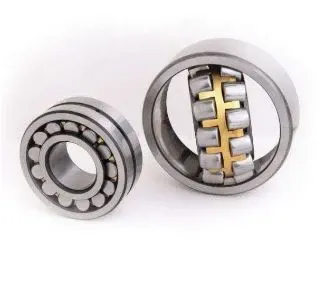
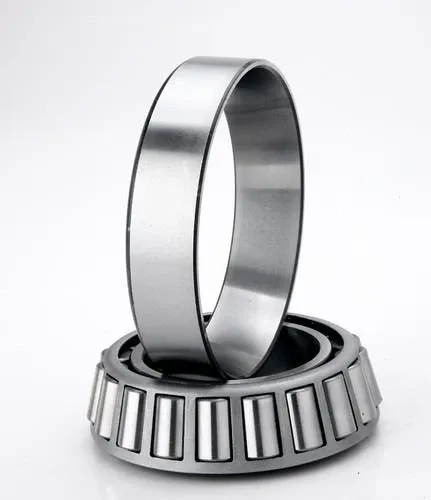
There are different types of rolling elements used in mechanical systems, each with its own unique design and application. For more information on the design of other types of rollers, you can visit the Taper Roller Disign, Cylindrical Roller, and Spherical Roller pages.
Advantages of Using Needle Rollers in Robotics
Space Efficiency
One of the most significant advantages of needle rollers in robotics is their space - saving design. Robots often have limited internal space, especially in joints and small - scale components. Needle rollers can fit into tight spaces while still providing the necessary load - carrying capacity. This allows robot designers to create more compact and lightweight robots, which can lead to improved mobility and energy efficiency.
High Load - Carrying Capacity
Robots are often required to perform tasks that involve lifting, pushing, or carrying heavy objects. Needle rollers can handle high radial loads due to their large contact area. This makes them ideal for use in robotic arms, grippers, and other components that need to support significant weight. For example, in an industrial robot used for material handling, needle rollers can be used in the joints to ensure smooth and reliable operation under heavy loads.
Precision and Smooth Operation
Precision is crucial in robotics, especially in applications such as assembly and inspection. Needle rollers offer high rotational accuracy and smooth operation. Their cylindrical shape and uniform contact with the raceway minimize friction and vibration, resulting in precise movement and positioning of robotic components. This helps to improve the overall performance and accuracy of the robot.
Cost - Effectiveness
In many cases, needle rollers can be a cost - effective solution for robotics applications. Compared to some other types of bearings, they are relatively inexpensive to manufacture. Additionally, their long service life and low maintenance requirements can lead to cost savings over the lifetime of the robot.
Applications of Needle Rollers in Robotics
Robotic Arms
Robotic arms are one of the most common applications of needle rollers in robotics. The joints of a robotic arm need to be able to support heavy loads and provide smooth, precise movement. Needle rollers can be used in the pivot points of the arm to ensure efficient power transmission and accurate positioning. They can also help to reduce the size and weight of the arm, making it more agile and easier to control.
Mobile Robots
Mobile robots, such as autonomous guided vehicles (AGVs) and drones, also benefit from the use of needle rollers. In AGVs, needle rollers can be used in the wheels and steering mechanisms to provide high load - carrying capacity and smooth rolling. In drones, they can be used in the motor mounts and other moving parts to improve stability and reduce vibration.
Robotic Grippers
Robotic grippers are used to pick up and manipulate objects. Needle rollers can be used in the joints and actuators of the gripper to provide the necessary force and precision. They can help the gripper to hold objects firmly and accurately, even in challenging environments.
Challenges and Considerations
Lubrication
Proper lubrication is essential for the performance and longevity of needle rollers. In a robotic environment, the lubricant needs to be compatible with the materials used in the robot and the operating conditions. For example, in a cleanroom environment, a special lubricant may be required to prevent contamination. In addition, the lubrication system needs to be designed to ensure that the needle rollers are adequately lubricated at all times.
Alignment
Needle rollers are sensitive to misalignment. In a robotic system, misalignment can occur due to manufacturing tolerances, thermal expansion, or external forces. Misaligned needle rollers can lead to increased wear, noise, and reduced performance. Therefore, careful attention needs to be paid to the alignment of the needle rollers during the design and assembly of the robot.
Environmental Conditions
Robots can operate in a variety of environmental conditions, including extreme temperatures, humidity, and dust. Needle rollers need to be able to withstand these conditions without significant degradation in performance. Special coatings and materials may be required to protect the needle rollers from corrosion and wear in harsh environments.
Conclusion
In conclusion, needle rollers have great potential for use in robotics. Their space - saving design, high load - carrying capacity, precision, and cost - effectiveness make them an attractive option for many robotic applications. However, there are also challenges that need to be addressed, such as lubrication, alignment, and environmental conditions.
If you are interested in incorporating needle rollers into your robotics projects, I encourage you to reach out for a detailed discussion. As a reliable needle roller supplier, I can provide you with high - quality products and technical support to help you achieve the best performance for your robots. Whether you are designing a new robot or looking to upgrade an existing one, needle rollers could be the solution you need. Contact me to start the procurement and negotiation process and take your robotics project to the next level.
References
- "Rolling Bearing Analysis" by Tedric A. Harris and Michael N. Kotzalas
- "Robotics: Modelling, Planning and Control" by Bruno Siciliano, Lorenzo Sciavicco, Luigi Villani, and Giuseppe Oriolo
- Industry reports on the use of bearings in robotics