
Can needle rollers be used in high - temperature environments? That's a question I get asked a lot as a needle roller supplier. In this blog, I'll share my insights on this topic, based on my years of experience in the industry.
First off, let's talk about what needle rollers are. Needle rollers are a type of rolling element that are long and thin compared to other rollers, like the Cylindrical Roller. They're used in a variety of applications, from automotive engines to industrial machinery. Their design allows them to handle high radial loads in a relatively small space, which is why they're so popular.
Now, when it comes to high - temperature environments, things get a bit tricky. High temperatures can have a significant impact on the performance and lifespan of needle rollers. At elevated temperatures, the material properties of the needle rollers can change. For example, the hardness of the steel used in most needle rollers can decrease, which means they're more likely to wear out faster. The lubrication that keeps the needle rollers moving smoothly can also break down at high temperatures. When the lubricant fails, it leads to increased friction, heat, and eventually, mechanical failure.
However, that doesn't mean needle rollers can't be used in high - temperature environments at all. There are some ways to make them work. One option is to use special high - temperature materials. Some advanced alloys are designed to maintain their hardness and strength even at high temperatures. These materials can withstand the thermal stress and reduce the risk of premature wear. Another solution is to use high - temperature lubricants. These lubricants are formulated to have a higher boiling point and better thermal stability, so they can keep the needle rollers lubricated in hot conditions.
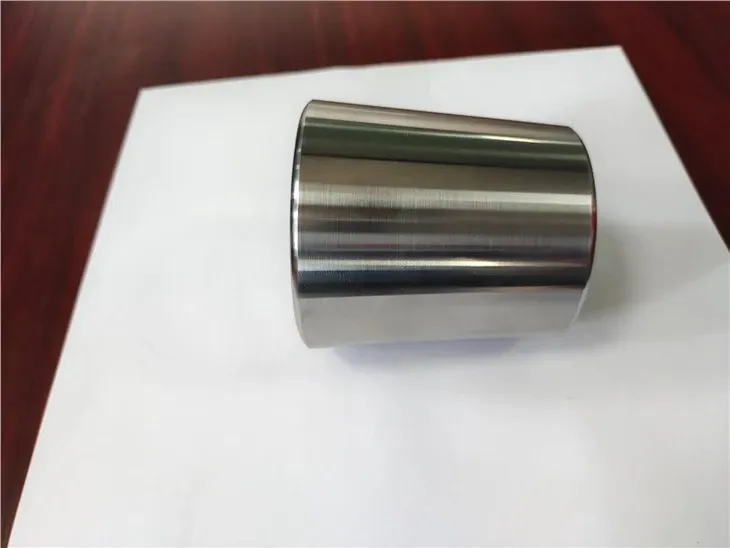
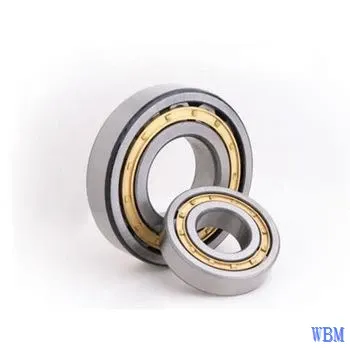
In my experience, the key is to understand the specific requirements of the high - temperature environment. For instance, if the temperature is only moderately high, say around 150 - 200 degrees Celsius, standard needle rollers with a good quality high - temperature lubricant might do the job. But if the temperatures are extremely high, above 500 degrees Celsius, then you'll definitely need to look into those special high - temperature materials.
Let's take a look at some real - world applications. In the aerospace industry, where engines operate at very high temperatures, needle rollers are used in certain components. Engineers in this field have developed ways to use needle rollers effectively by using advanced materials and lubrication systems. They've also designed cooling mechanisms to keep the temperature of the needle rollers within an acceptable range. In the automotive industry, needle rollers are used in transmissions and engines. With the increasing demand for more efficient and powerful engines, the operating temperatures are going up. So, manufacturers are constantly looking for better ways to use needle rollers in these high - temperature situations.
When considering using needle rollers in high - temperature environments, it's also important to think about the overall system design. For example, proper ventilation and heat dissipation can help reduce the temperature around the needle rollers. You can also use heat shields to protect the needle rollers from direct heat sources.
Now, if you're in the market for needle rollers and you're dealing with high - temperature applications, I'm here to help. I've got a wide range of needle rollers, including some of our 2022 New product Taper Roller With Hole in The Center and Gravity Taper Roller, which can be customized to meet your specific needs. Whether you need high - temperature materials or just some advice on the right lubrication, I can provide you with the solutions.
If you're interested in learning more or starting a procurement discussion, don't hesitate to reach out. I'm always happy to talk about how my needle rollers can fit into your high - temperature applications.
References
- "Rolling Bearing Technology" - A comprehensive guide on the technology and applications of rolling elements.
- Industry reports on high - temperature materials and lubricants for mechanical components.