
Can needle rollers be used in high - speed applications? That's a question I get asked a lot as a needle roller supplier. And let me tell you, it's not a simple yes or no answer.
First off, let's talk about what needle rollers are. Needle rollers are long and thin cylindrical rollers. They've got a high length - to - diameter ratio, which gives them some unique properties. You can check out more about them here: Needle Roller. They're commonly used in various applications because they can handle high radial loads in a relatively small space.
Now, when it comes to high - speed applications, there are a few factors we need to consider. One of the main concerns with high - speed operation is heat generation. As the speed increases, the friction between the needle rollers and the raceways goes up, and that generates heat. If the heat isn't dissipated properly, it can lead to all sorts of problems like premature wear, lubricant breakdown, and even failure of the bearing.
Another factor is the dynamic balance of the needle rollers. At high speeds, any imbalance can cause vibrations. These vibrations not only reduce the efficiency of the system but can also damage the components over time. The precision of the manufacturing process plays a huge role here. High - quality needle rollers are carefully made to ensure proper balance and minimize vibrations.
But here's the good news. With the right design and proper lubrication, needle rollers can indeed be used in high - speed applications. For example, in some automotive engines, needle rollers are used in the camshaft and crankshaft bearings. These engines operate at extremely high speeds, and the needle rollers are able to handle the loads and speeds effectively.
Let's compare needle rollers with other types of rollers, like Taper Roller Disign and Cylindrical Roller. Taper rollers are great for handling both radial and axial loads. They're often used in applications where there are combined loads, such as in vehicle axles. However, in high - speed applications, their design can sometimes lead to more friction compared to needle rollers.
Cylindrical rollers, on the other hand, are also used in a wide range of applications. They can handle high radial loads, but their size and shape may not be as suitable for some high - speed, space - constrained applications as needle rollers. Needle rollers can fit into smaller spaces, which is a big advantage in many high - speed machinery designs.
When it comes to lubrication, it's crucial for high - speed needle roller applications. The lubricant not only reduces friction but also helps in dissipating heat. There are different types of lubricants available, such as oils and greases. The choice of lubricant depends on factors like the operating temperature, speed, and load of the application. For very high - speed applications, synthetic oils are often preferred because they have better thermal stability and lower viscosity at high temperatures.
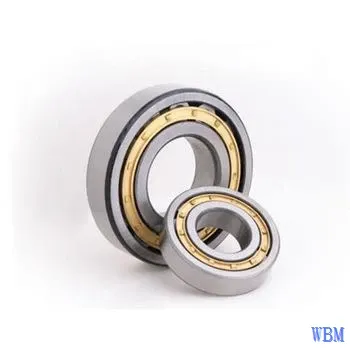
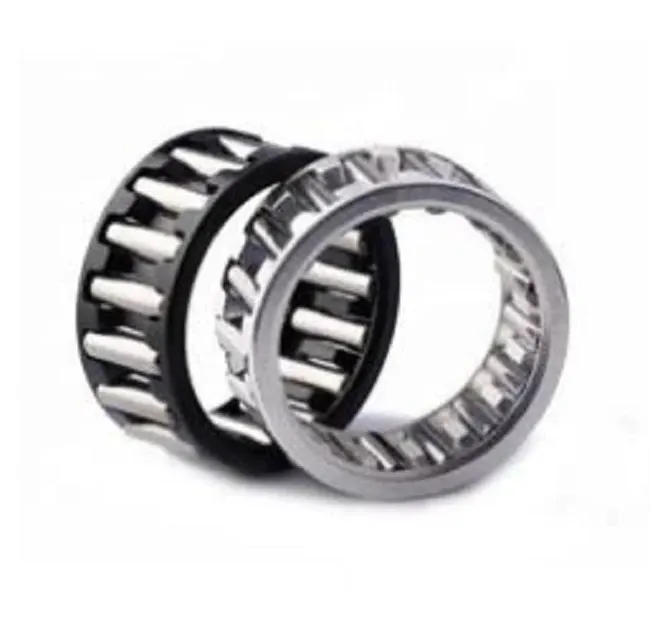
The design of the bearing housing also matters. It needs to be able to support the needle rollers properly and allow for proper heat dissipation. A well - designed housing can help in maintaining the correct alignment of the needle rollers, which is essential for high - speed operation.
In addition, the surface finish of the needle rollers and the raceways is important. A smooth surface finish reduces friction and wear. Advanced manufacturing techniques are used to achieve the required surface finish on the needle rollers.
So, to sum it up, needle rollers can be used in high - speed applications, but it requires careful consideration of factors like heat generation, dynamic balance, lubrication, and design. As a needle roller supplier, I've seen many successful high - speed applications where needle rollers have performed exceptionally well.
If you're in the market for needle rollers for your high - speed application, I'd love to have a chat with you. I can help you choose the right type of needle rollers, recommend the best lubrication options, and provide all the technical support you need. Whether you're working on a small - scale project or a large - scale industrial application, I'm here to assist you. Just reach out, and we can start discussing your specific requirements.
References
- Harris, T. A., & Kotzalas, M. N. (2007). Rolling Bearing Analysis. Wiley.
- Zorzi, C., & Ghiotti, A. (2012). Design and Manufacturing of High - Performance Needle Roller Bearings. Journal of Engineering for Industry.