
Can metal balls be used in plumbing? Well, that's a question I get asked a lot as a Metal Ball supplier. Let's dive right into it and explore the ins and outs of using metal balls in plumbing.
Understanding the Basics of Metal Balls in Plumbing
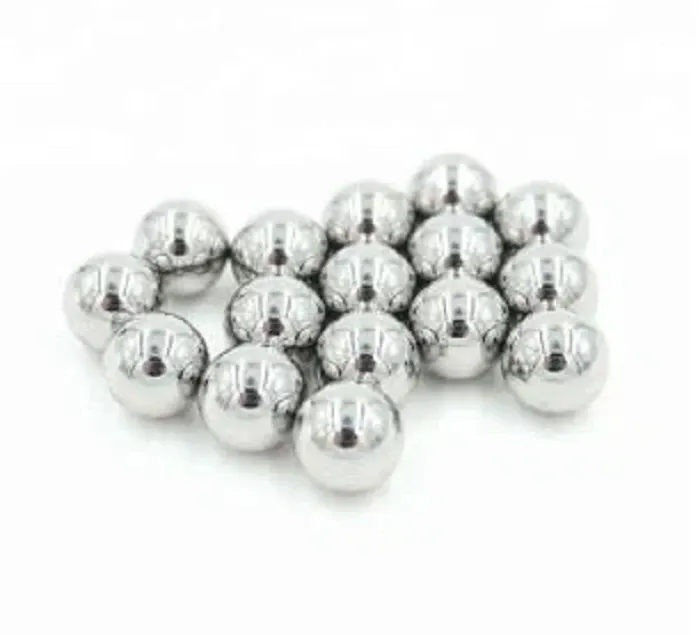
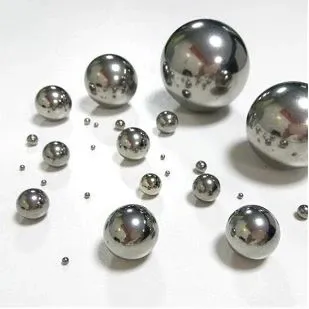
First off, there are different types of metal balls that could potentially be used in plumbing. The most common ones include steel balls, and specifically Stainless Steel Ball. Stainless steel is a popular choice because it's corrosion - resistant. In plumbing, where water is constantly flowing and there's a risk of rust and corrosion, this is a huge plus.
Let's talk about the properties of these metal balls that make them suitable for plumbing applications. Metal balls are generally very durable. They can withstand high pressure, which is crucial in plumbing systems where water is often pumped at high speeds and pressures through pipes. For example, in a large - scale commercial building, the plumbing system needs components that can handle the stress of continuous water flow. Metal balls can be used in valves and faucets, where they need to open and close repeatedly without wearing out easily.
Applications of Metal Balls in Plumbing
One of the main applications of metal balls in plumbing is in ball valves. Ball valves are a type of valve that uses a hollow, perforated, and pivoting ball to control the flow of liquid or gas. In these valves, a Metal Ball is placed inside the valve body. When the ball is turned, the hole in the ball aligns with the pipe, allowing water to flow. When the ball is rotated 90 degrees, the solid part of the ball blocks the pipe, stopping the flow.
Ball valves are popular in plumbing because they offer a tight seal, which means there's less chance of leaks. And the use of metal balls in these valves ensures a long - lasting and reliable operation. They're commonly used in domestic plumbing systems, as well as in industrial settings like factories and water treatment plants.
Another application is in pressure - relief valves. These valves are designed to release pressure in a plumbing system when it gets too high. A metal ball can be used as a part of the mechanism that controls the release of pressure. When the pressure inside the system reaches a certain level, it forces the metal ball to move, allowing water to escape and relieve the pressure.
Advantages of Using Metal Balls in Plumbing
The durability of metal balls is one of the biggest advantages. As I mentioned earlier, they can handle high pressures and repeated use without breaking down. This means less maintenance and fewer replacements in the plumbing system over time. For a homeowner, that translates to lower costs and less hassle.
They're also very resistant to chemicals. In plumbing, water can contain various chemicals, such as chlorine in tap water. Metal balls, especially stainless steel ones, can resist the corrosive effects of these chemicals, ensuring the longevity of the plumbing components they're used in.
In terms of performance, metal balls in ball valves provide a very precise control of the water flow. You can easily open or close the valve fully, or adjust it to a specific flow rate. This is important in applications where you need to regulate the water supply, like in a shower or a garden hose.
Disadvantages and Challenges
However, it's not all sunshine and rainbows. One of the main challenges of using metal balls in plumbing is the cost. Metal balls, especially high - quality stainless steel ones, can be more expensive than other materials used in plumbing, such as plastic. For a large - scale plumbing project, the cost can add up quickly.
Another issue is that metal balls can be noisy. When water flows through a ball valve with a metal ball, it can create a clicking or rattling sound, especially if the valve is opening and closing frequently. This can be a nuisance, especially in a residential setting.
Compatibility with Different Plumbing Systems
It's important to note that not all metal balls are suitable for every plumbing system. The size, material, and finish of the metal ball need to be carefully considered. For example, in a small - diameter pipe, a large metal ball won't fit properly. And if the water in the plumbing system is very hard, with a high mineral content, a metal ball that's not resistant to mineral deposits might start to clog up over time.
Alternatives to Metal Balls
If cost is a major concern, or if noise is an issue, there are alternatives to metal balls in plumbing. Plastic balls can be used in some applications. They're cheaper and can be quieter. However, they're not as durable as metal balls and are more prone to damage from high - pressure water or chemicals.
Ball Bearing Balls and Their Relevance in Plumbing
Ball bearing balls are a specific type of metal ball. They're often made to very high precision and have smooth surfaces. In plumbing, they can be used in applications where smooth movement and low friction are required. For example, in some advanced faucet designs, ball bearing balls are used to ensure easy and smooth rotation of the handle.
Final Thoughts and Contact for Purchase
So, can metal balls be used in plumbing? Absolutely! They offer many advantages in terms of durability, performance, and chemical resistance. However, like any material, they have their drawbacks. If you're considering using metal balls in your plumbing project, it's important to weigh the pros and cons based on your specific needs.
If you're interested in purchasing high - quality metal balls for your plumbing needs, feel free to reach out. I'm here to help you find the right metal balls that fit your requirements and budget. Whether it's for a small home plumbing repair or a large - scale industrial project, I've got you covered.
References
- Plumbing Handbook, various authors
- Metal Materials in Engineering, published by a major engineering press
- Ball Valve Technology Guide, a technical manual for valve manufacturers