
In the realm of interior design and decorative arts, the search for unique and eye - catching elements is a never - ending journey. One such element that might not immediately come to mind is metal balls. As a Metal Ball supplier, I've witnessed firsthand the growing interest in using these seemingly industrial objects for decorative purposes. In this blog, we'll explore whether metal balls can indeed be used for decoration, delving into their aesthetic appeal, versatility, and practical considerations.
Aesthetic Appeal of Metal Balls
Metal balls possess a distinct visual charm that can add a touch of modernity and sophistication to any space. Their smooth, spherical shape is inherently pleasing to the eye, evoking a sense of balance and harmony. The reflective surface of metal balls can create interesting light plays, bouncing and refracting light in unexpected ways. This can be particularly effective in dimly lit areas, where the metal balls can act as mini - mirrors, brightening up the space and adding a dynamic element.
For instance, a cluster of polished Metal Balls Metal Ball placed on a glass coffee table can serve as a focal point in a living room. The shiny surface of the balls catches the light from a nearby lamp, creating a mesmerizing display of reflections and shadows. In a minimalist - themed room, the simplicity of the metal balls can complement the clean lines and uncluttered design, adding a subtle yet impactful decorative touch.
Versatility in Decoration
One of the greatest advantages of using metal balls for decoration is their versatility. They can be incorporated into a wide range of design styles, from contemporary and industrial to rustic and traditional.
Contemporary and Industrial Design
In contemporary and industrial design schemes, metal balls fit right in. Their raw, metallic appearance can enhance the edgy and urban feel of a space. For example, a large - scale installation of Metal Balls suspended from the ceiling in a loft - style apartment can create an industrial - chic look. The balls can be arranged in a linear pattern or a more random configuration, depending on the desired aesthetic.
In an office setting, a set of small metal balls placed on a desk can serve as both a decorative item and a stress - reliever. Employees can roll the balls around with their hands, adding a tactile and engaging element to the workspace.
Rustic and Traditional Design
Surprisingly, metal balls can also find a place in rustic and traditional design. When combined with natural materials such as wood and stone, they can create an interesting contrast. For instance, a group of Metal Balls placed in a wooden bowl on a farmhouse - style dining table can add a modern twist to the traditional setting. The metal balls' shiny surface stands out against the warm, textured wood, creating a visually appealing combination.
Types of Metal Balls for Decoration
There are several types of metal balls available for decoration, each with its own unique characteristics.
316 Stainless Steel Balls
316 Stainless Steel Balls are a popular choice for decoration due to their corrosion resistance and durability. They have a bright, shiny finish that can last for a long time, even in humid or outdoor environments. These balls are also relatively easy to clean, making them suitable for both indoor and outdoor use.

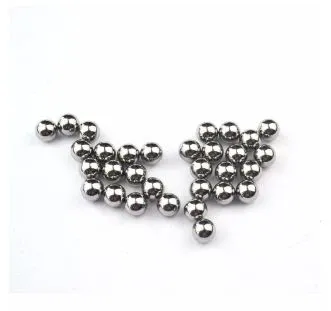
For outdoor decoration, 316 stainless steel balls can be used in a garden or patio setting. Placed in a decorative fountain or arranged in a flower bed, they can add a modern and elegant touch to the natural surroundings.
Inch Steel Ball
Inch Steel Ball come in a variety of sizes, which makes them highly versatile for different decoration purposes. Smaller inch steel balls can be used in jewelry - making or as part of a tabletop decoration, while larger ones can be used for more substantial installations.
In a children's playroom, a set of colorful inch steel balls can be used to create a sensory play area. The balls can be placed in a clear container, allowing children to explore their texture and movement.
Practical Considerations
While metal balls offer many aesthetic benefits, there are also some practical considerations to keep in mind when using them for decoration.
Safety
If you have children or pets in your home, it's important to ensure that the metal balls are used safely. Small metal balls can pose a choking hazard, so they should be kept out of reach of young children. Additionally, sharp - edged or heavy metal balls should be placed in a secure location to prevent accidents.
Maintenance
Metal balls require some maintenance to keep them looking their best. Depending on the type of metal, they may need to be cleaned regularly to prevent tarnishing or rusting. For example, stainless steel balls can be cleaned with a mild soap and water solution, while brass or copper balls may require a specialized metal cleaner to maintain their shine.
Cost
The cost of metal balls can vary depending on the type of metal, size, and quality. Generally, larger and higher - quality metal balls will be more expensive. When planning a decoration project, it's important to consider your budget and choose the metal balls that best fit your needs and financial constraints.
Conclusion
In conclusion, metal balls can definitely be used for decoration. Their aesthetic appeal, versatility, and unique visual qualities make them a great addition to any space. Whether you're looking to create a contemporary, industrial, rustic, or traditional design, metal balls can offer a creative and innovative solution.
As a Metal Ball supplier, I'm passionate about helping customers find the perfect metal balls for their decoration projects. If you're interested in using metal balls for your next design endeavor, I encourage you to reach out to me for more information. We offer a wide range of metal balls in different sizes, materials, and finishes to meet your specific requirements. Let's work together to turn your decoration ideas into reality.
References
- "Interior Design: Principles and Practices" by Francis D. K. Ching
- "The Elements of Style: A Homeowner's Guide to Beautiful Interiors" by Erin Gates