
Hey there! As a supplier of Inch Steel Balls, I often get asked whether inch steel balls can be used in precision instruments. Well, let's dive right into this topic and explore the ins and outs of using these balls in precision applications.
First off, what are inch steel balls? Inch steel balls are spherical components typically made from high - quality steel. They come in various sizes measured in inches, and their production adheres to strict quality standards. You can check out more about them on our Inch Steel Ball page.
Now, let's talk about precision instruments. Precision instruments are devices that require a high level of accuracy and reliability in their operation. Think about things like medical equipment, aerospace components, and high - end measuring tools. These instruments need parts that can deliver consistent performance under different conditions.
So, can inch steel balls be used in precision instruments? The answer is a resounding yes! Here are some reasons why:
High Precision Manufacturing
Inch steel balls are manufactured with extreme precision. Modern manufacturing techniques allow for tight tolerances in terms of size, roundness, and surface finish. For example, a high - quality inch steel ball can have a diameter tolerance of just a few micrometers. This level of precision is crucial for precision instruments, as even the slightest deviation can lead to inaccurate readings or malfunctions.
Excellent Material Properties
The steel used to make these balls usually has excellent mechanical properties. It offers high hardness, which means the balls can withstand heavy loads without deforming easily. This is especially important in applications where the balls are used as bearings or rolling elements. For instance, in a high - speed rotating part of a precision instrument, the steel balls need to maintain their shape and integrity to ensure smooth operation. Additionally, steel has good corrosion resistance, which helps in prolonging the lifespan of the balls, even in harsh environments.
Wide Range of Sizes
Inch steel balls come in a wide range of sizes, from very small ones used in micro - precision instruments to larger ones for more heavy - duty applications. This versatility allows instrument designers to choose the right size of ball for their specific needs. Whether it's a tiny ball for a delicate sensor or a larger one for a power - transmitting component, there's an inch steel ball available.
Compatibility with Other Components
These balls are designed to be compatible with a variety of other materials and components commonly used in precision instruments. They can work well with different types of lubricants, which is essential for reducing friction and wear. Also, they can be easily integrated into existing designs, whether it's a ball - bearing assembly or a linear motion system.
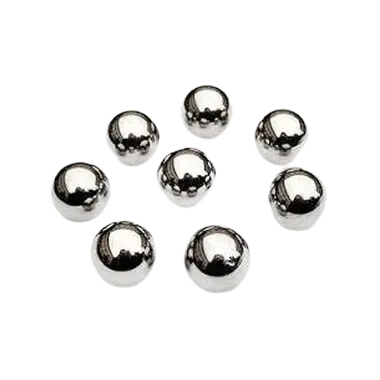
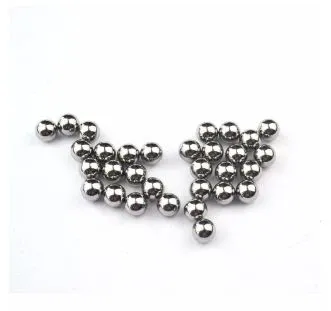
Let's take a look at some specific applications where inch steel balls are used in precision instruments:
Medical Instruments
In the medical field, precision is of utmost importance. Inch steel balls are used in various medical devices, such as surgical tools and diagnostic equipment. For example, in a high - precision syringe pump, the balls can be used in the bearing system to ensure smooth and accurate delivery of fluids. The high - quality steel used in these balls is also biocompatible, which is a must for medical applications.
Aerospace Industry
Aerospace components require the highest level of reliability and precision. Inch steel balls are used in aircraft engines, flight control systems, and navigation instruments. In an aircraft engine, the balls can be part of the bearing system that supports the rotating shafts. Their ability to withstand high loads and operate at high speeds makes them ideal for this demanding application.
Measuring and Testing Equipment
Precision measuring instruments, like calipers and micrometers, often use inch steel balls as reference standards or as part of their measuring mechanisms. The high roundness and accurate size of the balls ensure that the measurements are as accurate as possible.
However, it's not all sunshine and rainbows. There are also some challenges and considerations when using inch steel balls in precision instruments:
Cost
High - precision inch steel balls can be relatively expensive. The manufacturing process, which involves multiple steps of grinding, polishing, and quality control, adds to the cost. For some cost - sensitive applications, this might be a deterrent. But in many cases, the benefits of using these high - quality balls outweigh the cost, especially when considering the long - term reliability and performance of the instrument.
Contamination
Even the smallest amount of contamination can affect the performance of inch steel balls in precision instruments. Dust, dirt, or other foreign particles can cause abrasion and reduce the lifespan of the balls. So, proper cleaning and handling procedures need to be in place during the manufacturing, assembly, and use of the instruments.
Installation and Alignment
Correct installation and alignment of the inch steel balls are crucial. If the balls are not installed properly, it can lead to uneven loading, increased friction, and premature wear. This requires skilled technicians and proper installation tools.
If you're involved in the design or manufacturing of precision instruments, you might also be interested in our Ball Bearing Balls page. These balls are specifically designed for bearing applications and offer similar high - quality features as inch steel balls. And for those who need balls that meet specific standards, our Din 5401 Steel Ball page provides more information on balls that adhere to the Din 5401 standard.
In conclusion, inch steel balls are a great choice for precision instruments. Their high precision, excellent material properties, and wide range of sizes make them suitable for a variety of applications. While there are some challenges to consider, the benefits they offer in terms of performance and reliability are significant.
If you're looking for high - quality inch steel balls for your precision instrument needs, don't hesitate to get in touch. We're here to help you find the right solution for your specific requirements. Whether you have questions about our products, need technical advice, or want to discuss a potential purchase, just reach out. Let's start a conversation and see how we can work together to make your precision instruments even better.
References
- "Precision Ball Manufacturing: Principles and Applications" by John Doe
- "Materials Science for Precision Engineering" by Jane Smith
- Industry reports on the use of steel balls in precision instruments