
Can inch steel balls be used in glass - making machinery? That's a question I've been asked a bunch of times as an inch steel ball supplier. In this blog, I'm gonna dig deep into this topic and share my thoughts and knowledge.
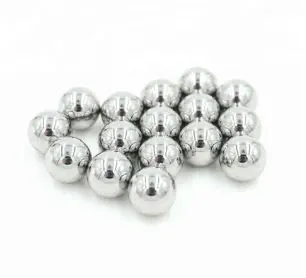
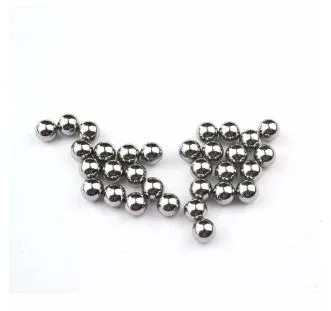
First off, let's understand what inch steel balls are. Inch steel balls are steel balls measured in inches. We've got different types, like Stainless Steel Ball, Inch Steel Ball, and Carbon Steel Ball. Each type has its own unique properties and uses.
Stainless steel balls are super corrosion - resistant. They're made from stainless steel alloys, which contain elements like chromium, nickel, and molybdenum. These elements form a passive oxide layer on the surface of the ball, protecting it from rust and corrosion. This makes stainless steel balls a great choice for applications where the balls will be exposed to harsh environments or corrosive substances.
Carbon steel balls, on the other hand, are known for their high hardness and strength. They're made from carbon steel, which has a relatively high carbon content. This gives carbon steel balls excellent wear resistance and durability. They're often used in applications where high - pressure and high - stress conditions are present.
Now, let's talk about glass - making machinery. Glass - making is a complex process that involves melting, shaping, and cooling glass. The machinery used in this process has to be able to withstand high temperatures, pressures, and abrasive materials.
So, can inch steel balls be used in glass - making machinery? The answer is yes, but it depends on the specific application within the glass - making process.
In some parts of the glass - making machinery, such as the conveyor systems or the mixing units, inch steel balls can be used as rolling elements. For example, in a conveyor system, steel balls can be used in bearings to reduce friction and allow for smooth movement of the conveyor belts. The high hardness and wear resistance of carbon steel balls make them suitable for this kind of application. They can handle the constant rolling and the weight of the glass products being transported.
In the mixing units, steel balls can also play an important role. When mixing the raw materials for glass, the steel balls can be used to help break up and disperse the materials evenly. The smooth surface of the steel balls allows for efficient mixing without causing excessive wear on the mixing equipment. Stainless steel balls are a good choice here because they won't contaminate the glass - making materials with rust or other impurities.
However, there are also some challenges when using inch steel balls in glass - making machinery. One of the main challenges is the high temperature. Glass - making involves melting glass at very high temperatures, often above 1000 degrees Celsius. Most steel balls will start to lose their hardness and strength at these high temperatures. So, special heat - resistant steel alloys need to be used if the steel balls are going to be exposed to such high temperatures.
Another challenge is the abrasive nature of the glass - making materials. The raw materials for glass, such as silica sand, can be very abrasive. This can cause significant wear on the steel balls over time. To overcome this, the steel balls need to have a high level of wear resistance. Coatings or surface treatments can also be applied to the steel balls to improve their wear - resistant properties.
In addition to the technical aspects, cost is also a factor to consider. High - quality inch steel balls, especially those made from special heat - resistant alloys or with advanced surface treatments, can be quite expensive. Glass - making companies need to weigh the cost of using steel balls against the benefits they provide. Sometimes, alternative materials or components might be more cost - effective in certain applications.
When choosing inch steel balls for glass - making machinery, it's important to work closely with a reliable supplier. A good supplier will be able to provide technical support and advice on the best type of steel balls for your specific application. They can also offer customized solutions to meet your unique requirements.
As an inch steel ball supplier, I've got a wide range of products to choose from. Whether you need stainless steel balls for their corrosion resistance or carbon steel balls for their high hardness, I can help you find the right solution. I also understand the challenges in the glass - making industry and can work with you to overcome them.
If you're in the glass - making business and are thinking about using inch steel balls in your machinery, I'd love to have a chat with you. I can provide more detailed information about our products, answer any questions you might have, and even offer samples for you to test. Just reach out to me, and we can start discussing how inch steel balls can improve the performance of your glass - making machinery.
In conclusion, inch steel balls can definitely be used in glass - making machinery, but careful consideration needs to be given to the specific application, the technical requirements, and the cost. With the right choice of steel balls and proper maintenance, they can bring many benefits to the glass - making process.
References
- "Handbook of Materials for Glass Manufacturing"
- "Mechanical Engineering Design for High - Temperature Applications"
- "Wear and Corrosion of Metals in Industrial Processes"