
Hey there! As a tools supplier, I often get asked a pretty interesting question: "Can I use a tool for a task it's not specifically designed for?" It's a question that many DIY enthusiasts, professionals, and even casual users have pondered at some point. Let's dig into this topic and see what we can find out.
First off, let's understand why someone might want to use a tool for an unintended task. Sometimes, you're in a bind, and you don't have the right tool on hand. Maybe you're working on a project at home, and you realize you're missing that one specialized tool. Or perhaps you're on a job site, and waiting for the correct tool to arrive would mean losing valuable time. In these situations, it's tempting to look at the tools you do have and think, "Well, maybe this could work instead."
There are definitely some cases where using a tool for an alternative task can work out just fine. For example, a flat - head screwdriver can sometimes be used as a makeshift pry bar. If you need to open a small crate or lift a stubborn panel, and you don't have a pry bar nearby, the flat end of a screwdriver can do the job. It's not ideal, but it can get the job done in a pinch.
However, there are also many risks associated with using a tool for a task it's not designed for. One of the biggest risks is safety. Tools are designed with specific safety features in mind for their intended tasks. When you use a tool for something else, those safety features might not apply. For instance, a power drill is designed to drill holes. If you try to use it as a mixer to stir paint or some other thick substance, the drill could overheat, the motor could burn out, or it could even cause the tool to malfunction and potentially harm you.
Another risk is damage to the tool itself. Tools are made to withstand certain types of stress and wear based on their intended use. Using a tool for an unintended task can put it under stress that it's not built to handle. Let's say you have a pair of pliers that are designed for gripping and bending wires. If you try to use them to cut through a thick metal rod, you could damage the jaws of the pliers, making them useless for their original purpose.
Now, let's talk about some of the tools we supply and how they're best used. We offer a wide range of tools, including those related to Cold Forming. Cold forming tools are specifically designed to shape metal at room temperature. They're engineered to apply the right amount of pressure and force to create precise shapes. Trying to use these tools for something other than cold forming could not only damage the tools but also result in poor - quality work.
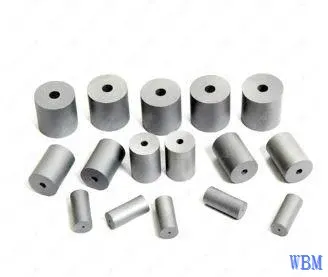
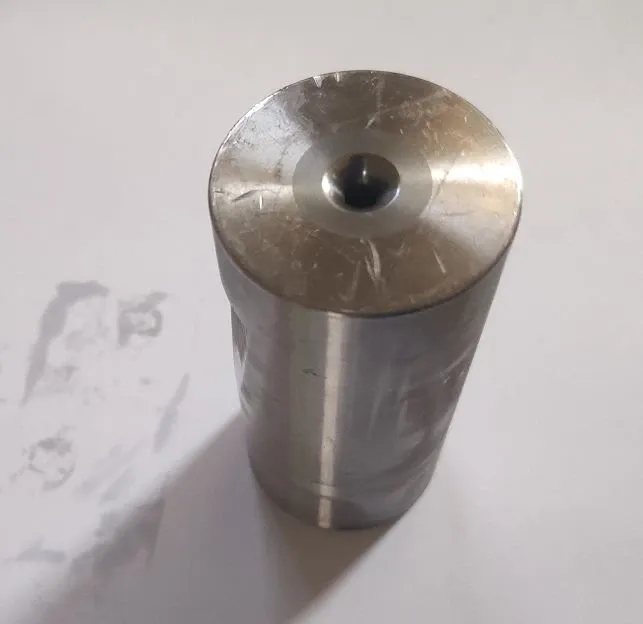
Our Tungsten Carbide Die is another great example. Tungsten carbide dies are used in various manufacturing processes, such as metal stamping and extrusion. They're made from a very hard and durable material to withstand the high pressures involved in these processes. Using a tungsten carbide die for a task it's not designed for could lead to chipping or cracking of the die, which would be a costly mistake.
The Punch Insert, heading Punch is yet another tool in our inventory. These punches are designed to create holes or shapes in materials like metal sheets. They have a specific shape and size to ensure accurate and clean cuts. If you try to use a punch insert for something other than its intended punching task, you might end up with a poorly cut hole or damage to the punch insert.
So, when should you consider using a tool for an unintended task? Well, if it's a very minor task, and you're confident that you can do it safely without causing too much damage to the tool, it might be worth a try. But it's always a good idea to assess the situation carefully. Ask yourself if the potential benefits outweigh the risks. If it's a critical task or if using the wrong tool could cause significant damage or safety issues, it's best to wait and get the right tool.
As a tools supplier, we're here to help you make the right choices. We understand that sometimes you might be in a tough spot, but we also want to make sure you're using our tools safely and effectively. If you're unsure about whether a tool can be used for a particular task, don't hesitate to reach out to us. We have a team of experts who can provide you with advice based on your specific needs.
If you're in the market for high - quality tools, we'd love to have a chat with you. Whether you're a professional in the manufacturing industry or a DIYer looking for the right tools for your home projects, we have a wide selection to meet your needs. We can help you find the perfect tool for your task, ensuring that you get the best results and avoid any unnecessary risks.
In conclusion, while it's possible to use a tool for a task it's not specifically designed for, it's a decision that should be made with caution. Consider the safety risks, the potential damage to the tool, and the quality of the work. And remember, when in doubt, it's always better to use the right tool for the job.
If you're interested in our tools or have any questions about tool usage, feel free to contact us for a friendly chat and a potential procurement discussion. We're looking forward to working with you!
References
General knowledge about tool safety and usage from years of experience in the tools supply industry.
Industry standards and best practices for tool manufacturing and usage.