
Hey there! I'm a supplier of Din 5401 steel balls, and I often get asked whether these steel balls can be used in textile machinery. Well, let's dive right into it and find out!
First off, let's talk a bit about what Din 5401 steel balls are. Din 5401 is a standard that specifies the requirements for steel balls used in various applications. These steel balls are known for their high precision, good hardness, and excellent wear resistance. They come in different sizes and grades, which makes them suitable for a wide range of uses.
Now, let's look at the textile machinery. Textile machinery is a complex system that involves a lot of moving parts. These parts need to work smoothly and precisely to ensure the quality of the textile products. Some of the key components in textile machinery include spinning frames, looms, and knitting machines. Each of these components has its own specific requirements when it comes to the parts used, especially the ones that involve rolling or sliding movements.
One of the main reasons why Din 5401 steel balls could be a great fit for textile machinery is their high precision. In textile production, even the slightest deviation can lead to defects in the fabric. For example, in a spinning frame, the steel balls are used in the bearings that support the rotating shafts. If the balls are not of high precision, the shafts may not rotate smoothly, which can cause uneven yarn tension and result in poor - quality yarn. Din 5401 steel balls are manufactured to very tight tolerances, ensuring that they can provide a smooth and stable rotation, which is crucial for the proper functioning of the textile machinery.
Another important factor is the wear resistance of Din 5401 steel balls. Textile machinery often operates at high speeds and under continuous loads. The parts are subject to a lot of friction and wear. Steel balls with good wear resistance can last longer, reducing the frequency of replacements and maintenance costs. For instance, in a loom, the steel balls in the shuttle mechanism are constantly in contact with other parts and experience significant wear. Using Din 5401 steel balls can help to extend the service life of this mechanism and keep the production running smoothly.
The hardness of Din 5401 steel balls also plays a vital role. A certain level of hardness is required to withstand the mechanical stresses in textile machinery. If the balls are too soft, they may deform under load, which can affect the performance of the machinery. On the other hand, if they are too hard, they may be brittle and prone to cracking. Din 5401 steel balls are designed to have an optimal hardness that allows them to handle the stresses without these issues.
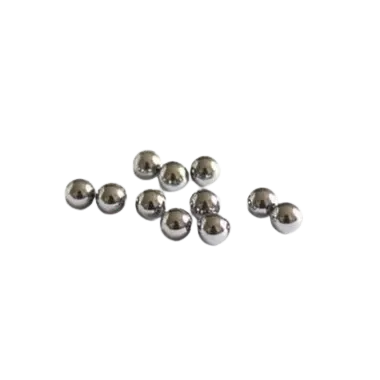

However, it's not all sunshine and rainbows. There are also some considerations when using Din 5401 steel balls in textile machinery. One of the challenges is the corrosion resistance. Textile factories often have a humid environment, and the presence of moisture can cause corrosion on the steel balls. If corrosion occurs, it can damage the balls and affect the performance of the machinery. In such cases, you might want to consider using 316 Stainless Steel Balls, which have better corrosion - resistant properties.
Another aspect is the cost. Din 5401 steel balls with high precision and quality can be relatively expensive. Textile manufacturers need to balance the cost with the performance requirements. Sometimes, they may need to look for alternative options or choose a different grade of Din 5401 steel balls that can meet their needs at a lower cost.
Now, let's talk about the different types of textile machinery and how Din 5401 steel balls can be used in them.
In spinning frames, as mentioned earlier, the steel balls are used in the bearings. The bearings support the spindles that rotate at high speeds to twist the fibers into yarn. The high - precision Din 5401 steel balls ensure that the spindles rotate evenly, resulting in consistent yarn quality.
In looms, steel balls are used in various mechanisms such as the shuttle guide and the shedding mechanism. In the shuttle guide, the balls help the shuttle move smoothly across the loom, while in the shedding mechanism, they contribute to the proper opening and closing of the warp threads.
In knitting machines, Din 5401 steel balls are used in the cam systems and the needle selection mechanisms. The cam systems control the movement of the needles, and the steel balls ensure that the cam followers move precisely, allowing for accurate knitting patterns.
If you're in the textile machinery business and are considering using Din 5401 steel balls, you might also be interested in Metal Ball and Large Steel Ball options. Depending on your specific requirements, these alternative products could offer additional benefits.
In conclusion, Din 5401 steel balls have a lot of potential in textile machinery. Their high precision, wear resistance, and appropriate hardness make them suitable for many components in the machinery. However, factors like corrosion resistance and cost need to be carefully considered. If you're looking for high - quality Din 5401 steel balls for your textile machinery, I'm here to help. Whether you need advice on the right grade or size, or you're ready to place an order, feel free to get in touch with me for a detailed discussion and procurement negotiation.
References
- General knowledge on textile machinery components and steel ball properties