
Can Din 5401 steel balls be used in precision instruments? That's a question I get asked a lot as a supplier of Din 5401 Steel Balls. And let me tell you, it's not a simple yes or no answer. There are a bunch of factors to consider, so let's dive right in and break it down.
First off, what's so special about Din 5401 steel balls? Well, Din 5401 is a standard that specifies the requirements for steel balls used in bearings and other mechanical components. These balls are known for their high precision, excellent roundness, and consistent quality. They're made from high - grade steel, which gives them good hardness and wear resistance.
When it comes to precision instruments, precision is the name of the game. These instruments are designed to measure, detect, or manipulate things with extreme accuracy. Think of stuff like medical devices, optical equipment, and high - end watches. For these applications, every little detail matters.
One of the key advantages of using Din 5401 steel balls in precision instruments is their dimensional accuracy. The manufacturing process for these balls is tightly controlled to ensure that they meet strict size tolerances. This means that when you're building a precision instrument, you can rely on these balls to fit perfectly into the designated spaces, which is crucial for the overall performance of the device.
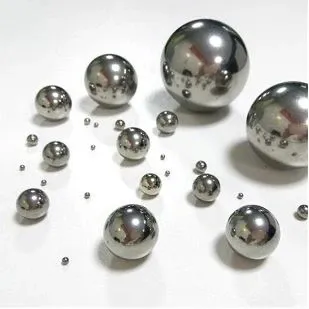
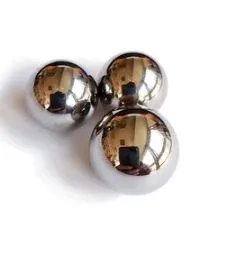
For example, in a high - precision bearing used in a medical imaging machine, the steel balls need to be of a very specific size and shape. If the balls are too big or too small, it can cause the bearing to malfunction, leading to inaccurate imaging results. Din 5401 steel balls help prevent these kinds of issues by providing the necessary precision.
Another important factor is the surface finish of the steel balls. Precision instruments often require smooth surfaces to minimize friction and wear. Din 5401 steel balls typically have a very smooth surface finish, which reduces the amount of energy lost due to friction. This not only improves the efficiency of the instrument but also extends its lifespan.
Let's take a look at some of the potential drawbacks, though. While Din 5401 steel balls are great in many ways, they might not be suitable for every precision instrument application. For instance, in some cases where the instrument is exposed to harsh chemicals or extreme temperatures, the steel used in these balls might not be the best choice.
In such situations, you might want to consider alternative materials. For example, 316 Stainless Steel Balls are known for their excellent corrosion resistance. If your precision instrument is going to be used in a marine environment or a chemical laboratory, these stainless steel balls could be a better option.
Size also plays a role. Precision instruments come in all shapes and sizes, and sometimes, the standard sizes of Din 5401 steel balls might not be a perfect fit. However, many suppliers, including me, offer custom - sized steel balls to meet specific requirements. So, if you need a non - standard size, don't worry, we can usually work something out.
The load - bearing capacity of the steel balls is another aspect to consider. In some precision instruments, the balls are subjected to high loads. Din 5401 steel balls are generally designed to handle a certain amount of load, but if your instrument requires a very high load - bearing capacity, you might need to look into Large Steel Ball options.
Now, let's talk about cost. Precision instruments are often expensive to manufacture, and the cost of the components can add up quickly. Din 5401 steel balls are priced competitively, but you still need to factor in the overall cost of using them in your instrument. Sometimes, a slightly more expensive ball made from a different material might be a better long - term investment if it offers better performance and durability.
In addition to the technical aspects, the availability of the steel balls is also important. As a supplier, I understand the importance of having a reliable supply chain. When you're building precision instruments, you can't afford to have delays due to a shortage of components. That's why I make sure to keep a good stock of Din 5401 steel balls in different sizes and grades.
If you're in the market for steel balls for your precision instruments, you might also come across Metal Ball. These are a broader category that includes steel balls as well as balls made from other metals like brass or aluminum. Depending on your specific requirements, a non - steel metal ball might be a more suitable choice.
So, can Din 5401 steel balls be used in precision instruments? The answer is, in most cases, yes. They offer high precision, good surface finish, and consistent quality. However, you need to carefully evaluate your specific application, considering factors like the environment, load requirements, and cost.
If you're interested in learning more about Din 5401 steel balls or need help choosing the right balls for your precision instrument, don't hesitate to get in touch. I'm here to assist you with all your steel ball needs and can provide you with samples and detailed product information. Let's have a chat and see how we can work together to make your precision instrument project a success.
References
- DIN 5401 Standard Documentation
- Industry reports on precision instrument manufacturing
- Technical literature on steel ball materials and properties