
As a supplier of cylindrical rollers, I've encountered numerous inquiries regarding their suitability for high - speed applications. This topic is of great significance as high - speed operations are becoming increasingly common in various industries, such as aerospace, automotive, and precision machinery. In this blog, I will delve into the factors that determine whether cylindrical rollers can be used in high - speed scenarios and provide a comprehensive analysis.
Characteristics of Cylindrical Rollers
Cylindrical rollers are a type of rolling element with a cylindrical shape. They are known for their high radial load - carrying capacity. The contact between the cylindrical roller and the raceway is a line contact, which distributes the load over a relatively large area compared to point contact. This characteristic allows them to handle heavy radial loads effectively.
However, like any mechanical component, cylindrical rollers also have their limitations. Their shape and the nature of the contact can lead to certain challenges in high - speed applications. One of the main issues is the generation of heat. At high speeds, the friction between the roller and the raceway increases, which can cause excessive heat generation. If not properly managed, this heat can lead to thermal expansion, reduced lubricant viscosity, and ultimately, premature failure of the bearing.
Factors Affecting the Use of Cylindrical Rollers in High - Speed Applications
1. Lubrication
Lubrication is crucial for any rolling element bearing, especially in high - speed applications. A proper lubricant reduces friction between the roller and the raceway, dissipates heat, and protects against wear and corrosion. For cylindrical rollers in high - speed operation, a high - quality lubricant with good thermal stability and anti - wear properties is essential.
Synthetic lubricants are often preferred in high - speed applications due to their superior performance at elevated temperatures. They can maintain their viscosity over a wide temperature range, providing consistent lubrication. Additionally, the lubrication method also plays a vital role. For high - speed cylindrical roller bearings, oil - mist lubrication or oil - jet lubrication can be more effective than grease lubrication, as they can deliver a continuous supply of fresh lubricant to the contact area.
2. Material and Manufacturing Precision
The material of the cylindrical rollers and the manufacturing precision significantly impact their performance in high - speed applications. High - quality bearing steels with excellent hardness, toughness, and fatigue resistance are commonly used. Advanced heat - treatment processes can further enhance the material properties, ensuring that the rollers can withstand the high stresses and temperatures generated at high speeds.
Manufacturing precision is equally important. Any irregularities in the shape or surface finish of the rollers can cause uneven loading and increased vibration, which are detrimental to high - speed operation. Tight tolerances in diameter, roundness, and surface roughness are necessary to ensure smooth and stable rotation.
3. Cage Design
The cage is responsible for separating the rollers and guiding their movement within the bearing. In high - speed applications, the cage design must be carefully considered. A well - designed cage can reduce the centrifugal forces acting on the rollers, minimize friction, and prevent the rollers from colliding with each other.
Lightweight materials such as brass or engineered plastics are often used for cages in high - speed cylindrical roller bearings. These materials have low inertia, which helps to reduce the energy consumption and heat generation during high - speed rotation. Moreover, the cage should have a sufficient number of pockets to ensure proper roller spacing and alignment.
Advantages of Using Cylindrical Rollers in High - Speed Applications
Despite the challenges, cylindrical rollers also offer several advantages in high - speed applications. Their high radial load - carrying capacity allows them to support heavy machinery components even at high speeds. This is particularly beneficial in applications where both high speed and high load are required, such as in some industrial gearboxes.
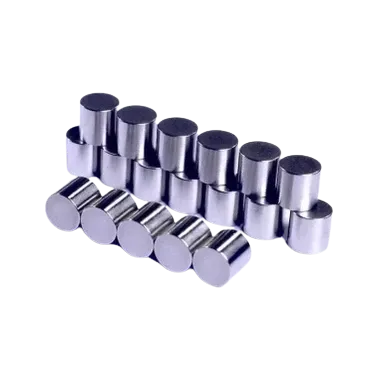
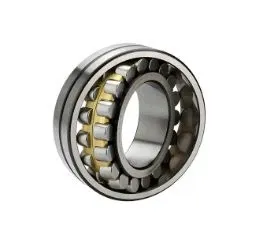
Cylindrical rollers also have a relatively simple design compared to other types of rolling elements, such as Cross Roller or Taper Roller Disign. This simplicity can lead to lower manufacturing costs and easier maintenance. In addition, their line - contact nature provides better stability compared to point - contact rolling elements, which can contribute to smoother operation at high speeds.
Comparison with Other Types of Rollers
When considering high - speed applications, it's important to compare cylindrical rollers with other types of rollers, such as conical rollers. Conical Rollers are designed to handle both radial and axial loads. They have a tapered shape, which allows them to distribute the load more evenly across the contact surface.
In high - speed applications where axial loads are present, conical rollers may be a better choice. However, they also have some disadvantages. The tapered shape can cause more complex stress distribution and higher friction compared to cylindrical rollers. This can result in increased heat generation and reduced efficiency at high speeds. Cylindrical rollers, on the other hand, are more suitable for applications where only radial loads need to be supported.
Case Studies
Let's take a look at some real - world examples to illustrate the use of cylindrical rollers in high - speed applications. In the aerospace industry, cylindrical roller bearings are used in aircraft engines. These engines operate at extremely high speeds, and the bearings need to support the heavy radial loads generated by the rotating components. By using high - quality cylindrical rollers with advanced lubrication and manufacturing techniques, the bearings can ensure reliable and efficient operation.
In the automotive industry, cylindrical roller bearings are used in transmissions. As modern vehicles are designed to achieve higher speeds and better fuel efficiency, the transmissions need to operate smoothly at high rotational speeds. Cylindrical rollers can provide the necessary radial support while minimizing friction and heat generation, contributing to the overall performance of the vehicle.
Conclusion
In conclusion, cylindrical rollers can be used in high - speed applications, but several factors need to be carefully considered. Proper lubrication, high - quality materials, precise manufacturing, and suitable cage design are essential for ensuring their reliable performance at high speeds. While they have some limitations, their high radial load - carrying capacity, simple design, and stability make them a viable option for many high - speed applications.
If you are in need of cylindrical rollers for your high - speed applications, I encourage you to reach out to discuss your specific requirements. We have a wide range of cylindrical rollers with different specifications and materials to meet your needs. Our team of experts can provide you with professional advice and solutions to ensure the optimal performance of your equipment.
References
- Harris, T. A., & Kotzalas, M. N. (2007). Rolling Bearing Analysis. Wiley - Interscience.
- Schaeffler Group. (2019). Rolling Bearing Handbook. Schaeffler Technologies AG & Co. KG.