
In the realm of mechanical engineering, the selection of appropriate rolling elements is crucial for the optimal performance of machinery. Among these, cylindrical rollers are widely used due to their unique characteristics and capabilities. However, a question that often arises is whether cylindrical rollers can be used in a vacuum environment. As a supplier of cylindrical rollers, I am well - versed in the properties of these components and can offer in - depth insights into this topic.
Understanding Cylindrical Rollers
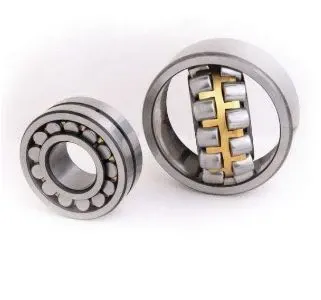
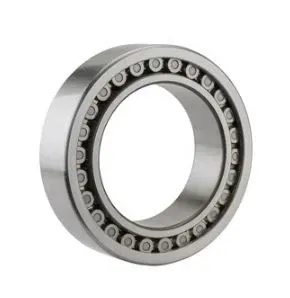
Cylindrical rollers are a type of rolling element commonly found in bearings. They have a cylindrical shape, which allows them to distribute loads evenly across a larger surface area compared to other types of rollers, such as Cross Roller or Spherical Roller. This even load distribution results in reduced stress on the bearing surfaces, enhancing the overall durability and load - carrying capacity of the bearing.
Cylindrical rollers are typically made from high - quality steels, such as chrome steel or stainless steel. These materials offer excellent hardness, wear resistance, and corrosion resistance, making them suitable for a wide range of applications. The manufacturing process of cylindrical rollers involves precision machining to ensure accurate dimensions and smooth surfaces, which are essential for proper operation within a bearing.
Characteristics of a Vacuum Environment
A vacuum environment is characterized by extremely low pressure, often with the absence of air and other gases. In a vacuum, there is no air to provide lubrication, cooling, or to protect against oxidation. This presents several challenges for mechanical components, including rolling elements like cylindrical rollers.
One of the primary concerns in a vacuum environment is the issue of lubrication. In normal atmospheric conditions, lubricants are used to reduce friction and wear between moving parts. However, in a vacuum, traditional liquid lubricants can evaporate or outgas, leading to the formation of contaminants and a loss of lubrication effectiveness. This can result in increased friction, wear, and ultimately, failure of the mechanical components.
Another challenge is the effect of radiation. In a vacuum, components are exposed to various forms of radiation, such as cosmic rays and solar radiation. These radiations can cause material degradation, including changes in the mechanical properties of the rollers, such as hardness and ductility. Additionally, the lack of a protective atmosphere in a vacuum means that the rollers are more susceptible to oxidation and corrosion, which can further compromise their performance.
Can Cylindrical Rollers Be Used in a Vacuum Environment?
The answer to whether cylindrical rollers can be used in a vacuum environment is both yes and no. It depends on several factors, including the specific requirements of the application, the design of the roller, and the measures taken to address the challenges posed by the vacuum environment.
Adaptations for Vacuum Use
To use cylindrical rollers in a vacuum environment, several adaptations can be made. One approach is to use solid lubricants. Solid lubricants, such as graphite or molybdenum disulfide, can be applied to the surface of the rollers. These solid lubricants have low vapor pressures, which means they do not evaporate or outgas in a vacuum. They form a thin film on the roller surface, providing lubrication and reducing friction.
Another option is to use self - lubricating materials for the rollers. Some advanced materials, such as certain types of ceramics, have inherent lubricating properties and can operate effectively in a vacuum without the need for additional lubricants. These materials also offer excellent resistance to radiation and oxidation, making them suitable for use in harsh vacuum environments.
In addition to lubrication, the design of the bearing system can be optimized for vacuum use. For example, the bearing housing can be designed to minimize the volume of the vacuum space around the rollers, reducing the exposure to radiation and outgassing. Sealing mechanisms can also be used to prevent the entry of contaminants into the bearing and to retain any lubricants that are used.
Limitations and Considerations
Despite these adaptations, there are still limitations to using cylindrical rollers in a vacuum environment. The performance of the rollers can be affected by factors such as temperature variations, load conditions, and the duration of operation in the vacuum. For example, high - temperature applications in a vacuum can cause the solid lubricants to degrade or the self - lubricating materials to lose their effectiveness.
The cost of using cylindrical rollers in a vacuum environment can also be a significant consideration. The use of advanced materials and specialized lubricants can increase the manufacturing cost of the rollers. Additionally, the need for additional design features and quality control measures to ensure reliable operation in a vacuum can further drive up the cost.
Applications of Cylindrical Rollers in Vacuum Environments
There are several applications where cylindrical rollers are used in vacuum environments. In the aerospace industry, for example, cylindrical rollers are used in satellite mechanisms, such as antenna deployment systems and reaction wheels. These components operate in the harsh vacuum of space, where the performance of the cylindrical rollers is critical for the proper functioning of the satellite.
In the semiconductor manufacturing industry, vacuum chambers are used for processes such as chemical vapor deposition and sputtering. Cylindrical rollers are used in the motion control systems within these chambers to ensure precise movement of the semiconductor wafers. The ability of the rollers to operate in a vacuum environment is essential for maintaining the high - quality standards of semiconductor manufacturing.
Our Role as a Cylindrical Roller Supplier
As a supplier of Cylindrical Roller, we understand the unique requirements of using these components in a vacuum environment. We offer a range of cylindrical rollers that are specifically designed for vacuum applications. Our rollers are made from high - quality materials and are manufactured using advanced processes to ensure optimal performance in a vacuum.
We work closely with our customers to understand their specific needs and provide customized solutions. Our team of experts can assist in the selection of the appropriate roller materials, lubricants, and design features to ensure reliable operation in a vacuum environment. We also offer technical support and after - sales service to ensure that our customers get the most out of our products.
Conclusion
In conclusion, cylindrical rollers can be used in a vacuum environment, but it requires careful consideration of the challenges posed by the vacuum and appropriate adaptations to the design and materials of the rollers. With the right approach, cylindrical rollers can provide reliable performance in a variety of vacuum applications, from aerospace to semiconductor manufacturing.
If you are in need of cylindrical rollers for a vacuum application, we invite you to contact us for more information. Our team of experts is ready to assist you in selecting the best solution for your specific requirements. Whether you need standard or custom - designed cylindrical rollers, we have the expertise and resources to meet your needs.
References
- Harris, T. A., & Kotzalas, M. N. (2007). Rolling Bearing Analysis. John Wiley & Sons.
- Gupta, P. K. (2005). Handbook of Bearings. McGraw - Hill.
- Bisson, E. W., & Kannel, R. B. (1960). Lubrication in Vacuum and Space Technology. Pergamon Press.