
Hey there! As a supplier of Cross Rollers, I often get asked whether cross rollers can be used in textile machinery. Well, let's dive right into this topic and explore the ins and outs.
First off, let's understand what cross rollers are. Cross rollers are a type of rolling element that consists of cylindrical rollers arranged in a crossed pattern. This unique design allows them to handle high loads in multiple directions, making them pretty versatile. They're known for their high rigidity and precision, which are crucial qualities in many industrial applications.
Now, let's talk about textile machinery. Textile machinery is a complex beast. It involves a wide range of equipment, from spinning machines to weaving looms and knitting machines. These machines need to operate with high precision and efficiency to produce quality textiles. The components used in textile machinery must be able to withstand continuous operation, high speeds, and varying loads.
So, can cross rollers fit the bill? The answer is a resounding yes! One of the main advantages of cross rollers in textile machinery is their ability to handle radial and axial loads simultaneously. In textile machines, there are often forces acting in different directions. For example, in a spinning machine, the rollers need to support the weight of the yarn package (radial load) while also withstanding the tension during the spinning process (axial load). Cross rollers can handle these combined loads without a hitch, ensuring smooth and stable operation.
Another important factor is precision. Textile production requires a high level of accuracy. Even the slightest deviation can result in defects in the fabric. Cross rollers are designed to provide precise motion control. Their crossed arrangement reduces the amount of play or backlash, which means the machine can operate with greater accuracy. This is especially important in high - speed weaving and knitting machines, where any error can lead to significant production losses.
Durability is also a key consideration. Textile machinery runs for long hours, often non - stop. The components need to be able to withstand wear and tear. Cross rollers are typically made from high - quality materials, such as bearing steel, which have excellent wear resistance. They are also heat - treated to enhance their hardness and strength. This means they can last a long time in the harsh operating environment of textile factories.
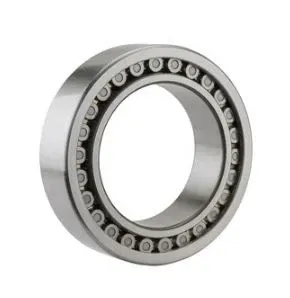
Let's compare cross rollers with other types of rollers commonly used in industrial applications. For instance, Cylindrical Roller. Cylindrical rollers are great for handling radial loads, but they may not be as effective in handling axial loads. In textile machinery, where there are often both radial and axial forces, cross rollers have an edge.
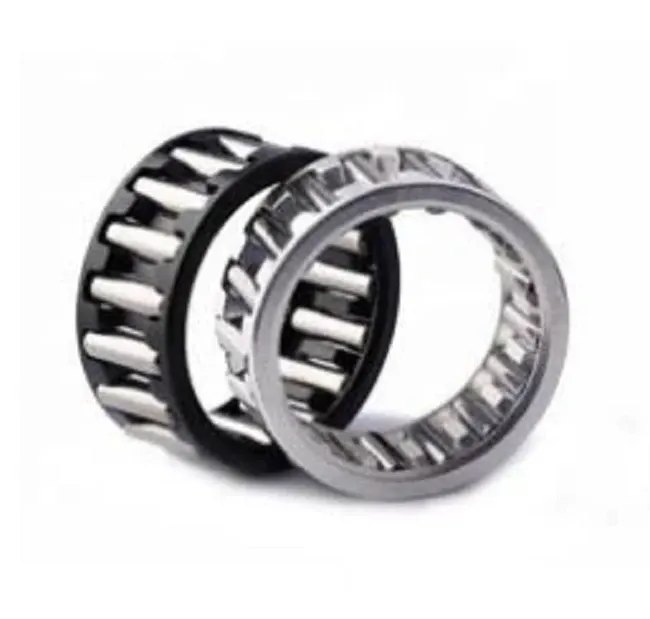
Needle Roller is another option. Needle rollers are known for their compact size, which can be an advantage in some space - constrained applications. However, they may not be as strong as cross rollers when it comes to handling high loads. Cross rollers can support larger loads while still maintaining a relatively small footprint, making them suitable for a wide range of textile machine designs.
Spherical Roller can accommodate misalignment to some extent. But in textile machinery, where precision is key, cross rollers offer better motion control and accuracy.
In addition to their technical advantages, cross rollers can also contribute to cost - savings in the long run. Their durability means less frequent replacement, which reduces maintenance costs. Also, their high precision helps to improve the quality of the textile products, reducing the number of defective items and increasing overall productivity.
However, it's important to note that the selection of cross rollers for textile machinery depends on several factors. The specific requirements of the machine, such as the load capacity, speed, and operating environment, need to be carefully considered. For example, in a high - speed knitting machine, the cross rollers need to be able to operate at high rotational speeds without generating excessive heat. In a heavy - duty weaving machine, they need to support large loads without deforming.
If you're in the textile machinery industry and are looking for reliable rolling elements, cross rollers are definitely worth considering. As a cross roller supplier, I have a wide range of products to meet different needs. Whether you need cross rollers for a small - scale spinning machine or a large - scale weaving loom, I can provide you with the right solution.
I understand that every textile machinery is unique, and I'm more than happy to work with you to find the most suitable cross rollers for your specific application. If you have any questions or need more information about our cross rollers, feel free to reach out. Let's have a chat about how cross rollers can enhance the performance of your textile machinery.
In conclusion, cross rollers can be an excellent choice for textile machinery. Their ability to handle multiple loads, provide precision motion control, and offer long - term durability make them a valuable component in the textile manufacturing process. So, if you're looking to upgrade your textile machinery or start a new project, don't hesitate to consider cross rollers.
If you're interested in discussing further or want to get a quote, just drop me a line. I'm here to help you make the best decision for your business.
References
- Industrial Rolling Element Handbook
- Textile Machinery Design and Operation Manual