
In the intricate world of printing machinery, the quest for components that offer precision, durability, and efficiency is never-ending. As a seasoned Cross Roller supplier, I've witnessed firsthand the transformative potential of these components in various industrial applications. Today, I'm excited to delve into the question: Can cross rollers be used in printing machinery?
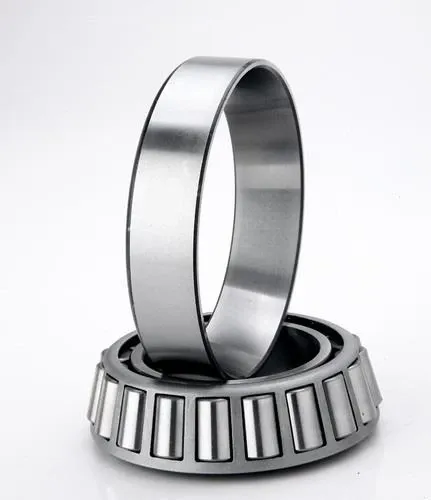
Understanding Cross Rollers
Before we explore their applicability in printing machinery, let's take a moment to understand what cross rollers are. Cross rollers are cylindrical rolling elements that are arranged in a criss - cross pattern within a cage or a housing. This unique arrangement allows them to support both radial and axial loads simultaneously, making them highly versatile in many mechanical systems.
The design of cross rollers offers several advantages. Their high load - carrying capacity is due to the large contact area between the rollers and the raceways. This means they can withstand significant forces without experiencing excessive wear. Additionally, the cross - roller configuration provides excellent guidance and alignment, which is crucial for maintaining the accuracy of moving parts in a machine.
Requirements of Printing Machinery
Printing machinery has a set of specific requirements that any component must meet to be considered suitable for use. Precision is of the utmost importance. In modern printing, whether it's high - quality graphic printing or large - scale industrial printing, even the slightest deviation can result in noticeable defects in the printed output. Components need to ensure that the printing heads, paper feed mechanisms, and other moving parts are accurately positioned and move smoothly.
Durability is another key factor. Printing machines often operate for long hours, sometimes continuously, in demanding environments. They are exposed to various factors such as ink, dust, and mechanical stress. Components must be able to withstand these conditions without significant degradation in performance over time.
Efficiency is also a major consideration. The faster a printing machine can operate without sacrificing quality, the more productive it is. Components that can reduce friction and enable smooth movement contribute to overall machine efficiency.
Can Cross Rollers Meet the Requirements?
Let's start by looking at precision. Cross rollers, with their well - defined contact surfaces and precise cage design, can provide extremely accurate linear or rotational motion. In printing machinery, this precision can be applied in multiple areas. For example, in the movement of the printing head, cross rollers can ensure that the head moves precisely along the required path, resulting in sharp and clear prints. They can also be used in the paper feed mechanism to ensure that the paper is fed at a consistent speed and position, preventing misprints.
When it comes to durability, cross rollers are made from high - quality materials such as hardened steel or ceramic. These materials have excellent wear resistance, which is essential in a printing environment where components are constantly in motion and exposed to abrasive substances like ink and paper dust. The cross - roller design also distributes the load evenly across the rollers, reducing the stress on individual elements and further enhancing their lifespan.
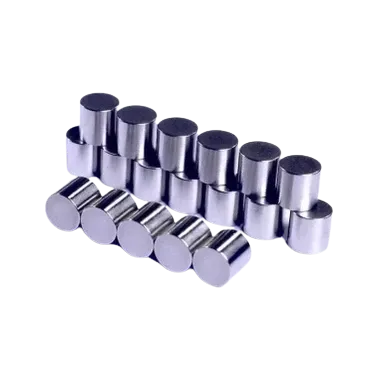
In terms of efficiency, cross rollers have low friction coefficients. This means that less energy is required to move the components in which they are installed. In a printing machine, this can translate into lower power consumption and faster operation speeds. For example, in a high - speed printing press, the reduced friction of cross rollers can allow the paper to be fed and the printing process to occur more rapidly, increasing the overall throughput of the machine.
Specific Applications in Printing Machinery
Paper Feed System
The paper feed system is a critical part of any printing machine. Cross rollers can be used in the rollers that grip and move the paper through the machine. Their high load - carrying capacity ensures that they can handle the weight of the paper, even when multiple sheets are being fed simultaneously. The precision of cross rollers also guarantees that the paper is fed at a consistent rate, preventing jams and misalignment.
Printing Head Movement
The movement of the printing head is another area where cross rollers can be highly beneficial. Whether it's a flat - bed printer or a rotary printer, the printing head needs to move accurately in both the X and Y directions. Cross rollers can be incorporated into the linear guides or rotary bearings that control the movement of the printing head, providing smooth and precise motion.
Ink Distribution Mechanisms
Ink distribution mechanisms in printing machinery require components that can operate smoothly and accurately. Cross rollers can be used in the rollers that transfer ink from the ink reservoir to the printing plate. Their ability to support both radial and axial loads ensures that the ink is distributed evenly, resulting in consistent print quality.
Comparing with Other Rolling Elements
In the market, there are other types of rolling elements such as Conical Rollers and Taper Rollers. Each type has its own characteristics, and it's important to understand how cross rollers compare.
Conical rollers are designed to handle mainly axial loads and are often used in applications where there is a need for a large thrust capacity. While they can be effective in certain situations, they may not be as suitable for applications that require a combination of radial and axial load support like printing machinery.
Taper Roller Disign is optimized for applications where there is a significant amount of misalignment or where the load is predominantly in one direction. However, in printing machinery, where precision and balanced load support are crucial, cross rollers may offer a better solution.
Case Studies
There have been several successful implementations of cross rollers in printing machinery. For example, a large - scale commercial printing company was experiencing issues with misaligned prints and frequent paper jams in their high - speed printing presses. After replacing the traditional bearings in the paper feed system and printing head movement mechanisms with cross rollers, they noticed a significant improvement in print quality. The precision of the cross rollers ensured that the paper was fed accurately, and the printing head moved smoothly, resulting in fewer defects and increased productivity.
Another case involved a small - scale digital printing shop. Their printer was consuming a large amount of energy, and the printing speed was relatively slow. By installing cross rollers in the ink distribution mechanism and the linear guides of the printing head, they were able to reduce friction and improve the overall efficiency of the machine. The printer now consumes less power and can produce prints at a faster rate.
Conclusion
In conclusion, cross rollers can indeed be used in printing machinery, and they offer a range of benefits that make them a suitable choice for this industry. Their ability to provide precision, durability, and efficiency meets the key requirements of printing machines. Whether it's in the paper feed system, printing head movement, or ink distribution mechanisms, cross rollers can enhance the performance of printing machinery.
If you're in the printing industry and are looking for components that can take your machines to the next level, I encourage you to consider cross rollers. As a reliable Cross Roller supplier, I'm committed to providing high - quality products that meet your specific needs. Contact us to discuss your requirements and explore how cross rollers can be integrated into your printing machinery for optimal performance.
References
- "Rolling Bearing Analysis" by Tedric A. Harris
- "Mechanical Design Handbook" edited by Myer Kutz
- Industry reports on printing machinery components and technologies.