
As a supplier of cross rollers, I've often been asked about the feasibility of using our products in aerospace applications. The aerospace industry demands the highest standards of performance, reliability, and safety. In this blog, I'll explore whether cross rollers can meet these stringent requirements and be a viable option for aerospace engineers.
Understanding Cross Rollers
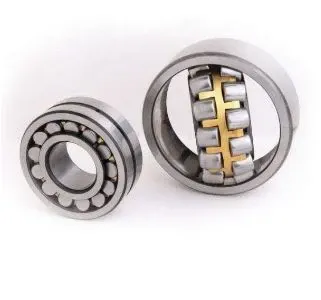
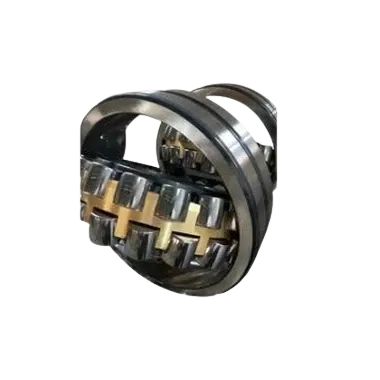
Cross rollers are a type of rolling element bearing that consists of cylindrical rollers arranged in a cross pattern. This unique design allows for high radial and axial load capacities, as well as excellent rigidity and precision. Cross rollers are commonly used in applications where space is limited, and high load-carrying capacity is required, such as robotics, machine tools, and medical equipment.
The cross arrangement of the rollers enables them to distribute loads evenly across the bearing surface, reducing stress concentrations and improving the overall performance of the bearing. Additionally, the use of cylindrical rollers provides a larger contact area compared to other types of rolling elements, such as ball bearings, resulting in lower contact stresses and longer service life.
Requirements for Aerospace Applications
The aerospace industry has some of the most demanding requirements for any application. Components used in aerospace must be able to withstand extreme temperatures, high speeds, and harsh environmental conditions. They must also be lightweight, reliable, and have a long service life to ensure the safety and efficiency of the aircraft.
In addition to these general requirements, aerospace applications often have specific needs depending on the type of aircraft and the function of the component. For example, components used in the landing gear must be able to withstand high impact loads during takeoff and landing, while components used in the engine must be able to operate at high temperatures and speeds.
Advantages of Cross Rollers in Aerospace Applications
Despite the demanding requirements of the aerospace industry, cross rollers offer several advantages that make them a potential candidate for use in aerospace applications.
High Load-Carrying Capacity
One of the main advantages of cross rollers is their high load-carrying capacity. The cross arrangement of the rollers allows them to distribute loads evenly across the bearing surface, enabling them to support both radial and axial loads simultaneously. This makes cross rollers suitable for applications where high loads are expected, such as in the landing gear or the wing flaps of an aircraft.
Rigidity and Precision
Cross rollers provide excellent rigidity and precision, which are essential for aerospace applications. The high rigidity of the cross roller bearing helps to maintain the alignment of the components, reducing the risk of misalignment and improving the overall performance of the system. The precision of the cross rollers also ensures smooth and accurate operation, which is crucial for the safety and efficiency of the aircraft.
Space Savings
Another advantage of cross rollers is their compact design. The cross arrangement of the rollers allows for a more efficient use of space compared to other types of bearings, making them suitable for applications where space is limited. In the aerospace industry, where weight and space are critical factors, the use of cross rollers can help to reduce the size and weight of the components, improving the overall performance of the aircraft.
Resistance to Wear and Fatigue
Cross rollers are designed to withstand high levels of wear and fatigue, which is important for aerospace applications. The use of high-quality materials and advanced manufacturing techniques ensures that the cross rollers have a long service life and can operate reliably under extreme conditions. This reduces the need for frequent maintenance and replacement, which can be costly and time-consuming in the aerospace industry.
Challenges and Considerations
While cross rollers offer several advantages for aerospace applications, there are also some challenges and considerations that need to be addressed.
Material Selection
The choice of material for cross rollers is critical in aerospace applications. The material must be able to withstand high temperatures, corrosion, and wear, while also being lightweight and strong. Titanium and stainless steel are commonly used materials for cross rollers in aerospace applications due to their excellent mechanical properties and corrosion resistance.
Lubrication
Proper lubrication is essential for the performance and longevity of cross rollers in aerospace applications. The lubricant must be able to withstand high temperatures and pressures, while also providing good anti-wear and anti-corrosion properties. Synthetic lubricants are often used in aerospace applications due to their superior performance compared to conventional lubricants.
Manufacturing Tolerances
The manufacturing tolerances for cross rollers in aerospace applications are extremely tight. The rollers must be manufactured to precise dimensions to ensure proper fit and function. Any deviation from the specified tolerances can result in reduced performance, increased wear, and even failure of the bearing.
Certification and Testing
All components used in aerospace applications must meet strict certification and testing requirements. Cross rollers must be tested to ensure that they meet the performance and safety standards set by the aerospace industry. This includes testing for load capacity, fatigue life, and resistance to wear and corrosion.
Case Studies and Examples
There are several examples of cross rollers being used in aerospace applications. One such example is in the actuation systems of aircraft wings. The cross rollers are used to support the movement of the wing flaps, providing high load-carrying capacity and precise control. Another example is in the landing gear of aircraft, where the cross rollers are used to support the weight of the aircraft during takeoff and landing.
In addition to these examples, cross rollers are also being considered for use in other aerospace applications, such as in the engines and the control systems of spacecraft. The high load-carrying capacity, rigidity, and precision of the cross rollers make them a potential candidate for these applications, provided that the challenges and considerations mentioned above can be addressed.
Conclusion
In conclusion, cross rollers have the potential to be used in aerospace applications. Their high load-carrying capacity, rigidity, precision, and space-saving design make them suitable for a variety of aerospace components. However, there are also some challenges and considerations that need to be addressed, such as material selection, lubrication, manufacturing tolerances, and certification and testing.
As a supplier of cross rollers, we are committed to working with aerospace engineers to develop solutions that meet the specific requirements of their applications. We have the expertise and experience to provide high-quality cross rollers that are designed to withstand the extreme conditions of the aerospace industry.
If you are an aerospace engineer or a procurement professional looking for high-quality cross rollers for your application, I encourage you to contact us to discuss your requirements. We would be happy to provide you with more information about our products and services and to work with you to develop a customized solution that meets your needs.
References
- "Rolling Element Bearings: Selection, Application, and Maintenance" by Robert J. A. Higgins
- "Aerospace Materials and Processes Handbook" by ASM International
- "Bearing Technology for Aerospace Applications" by The American Society of Mechanical Engineers (ASME)
For more information on related rolling elements, you can visit: