
Can conical rollers be used in underwater equipment? This is a question that often arises in the fields of marine engineering, underwater exploration, and subsea manufacturing. As a supplier of conical rollers, I am frequently asked about the suitability of our products for underwater applications. In this blog post, I will delve into the technical aspects, advantages, and challenges related to using conical rollers in underwater equipment.
Technical Characteristics of Conical Rollers
Conical rollers are a type of rolling element bearing that has a conical shape. This unique geometry allows them to handle both radial and axial loads simultaneously. The tapered design distributes the load over a larger area compared to other types of rollers, such as Needle Roller or Cylindrical Roller. This characteristic is particularly beneficial in applications where high load - capacity and precision are required.
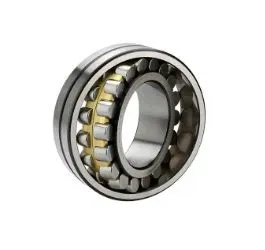
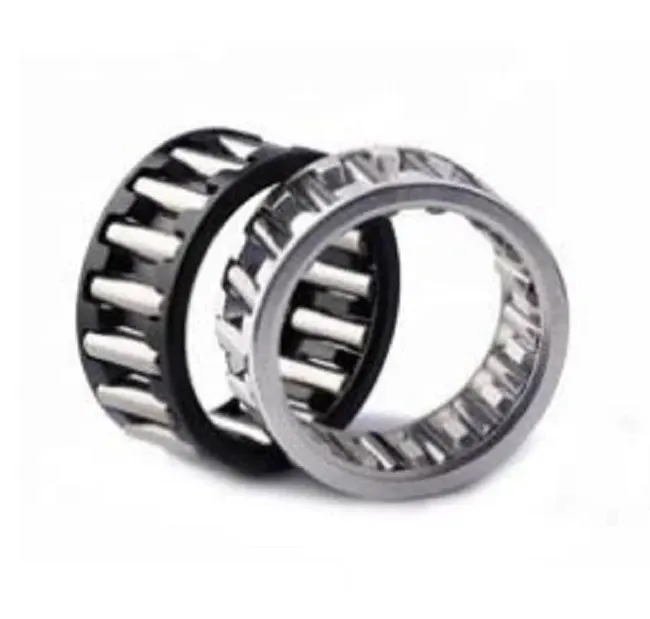
The contact angle of conical rollers can be designed to optimize the distribution of forces. A larger contact angle can handle greater axial loads, while a smaller contact angle is more suitable for radial - dominant loads. This flexibility in design makes conical rollers a versatile choice for a wide range of mechanical systems.
Advantages of Using Conical Rollers in Underwater Equipment
1. High Load - Bearing Capacity
Underwater equipment often operates in high - pressure environments. For example, deep - sea submersibles and oil - drilling platforms are subjected to extreme hydrostatic pressures. Conical rollers' ability to handle high radial and axial loads makes them well - suited for such applications. They can support the heavy components of underwater machinery, such as propellers, pumps, and winches, ensuring smooth and reliable operation.
2. Precision and Stability
In underwater operations, precision is crucial. Conical rollers provide accurate alignment and smooth rotation, which is essential for maintaining the performance of equipment. For instance, in underwater robotic arms, precise movement is required for tasks such as sample collection and equipment maintenance. The stability offered by conical rollers helps to achieve this level of precision.
3. Resistance to Misalignment
Underwater equipment may experience some degree of misalignment due to factors such as uneven seabed, water currents, or mechanical vibrations. Conical rollers have a certain tolerance for misalignment, which allows them to continue functioning effectively even under less - than - ideal conditions. This feature reduces the risk of premature failure and extends the service life of the equipment.
Challenges and Solutions
1. Corrosion
One of the most significant challenges of using conical rollers in underwater environments is corrosion. Saltwater is highly corrosive, and if not properly protected, the rollers can quickly deteriorate. To address this issue, we use corrosion - resistant materials such as stainless steel or ceramic for our conical rollers. Additionally, we apply special coatings and surface treatments to further enhance their corrosion resistance.
2. Lubrication
In underwater applications, traditional lubricants may not be suitable due to the risk of leakage and contamination. We have developed specialized lubrication solutions that are compatible with underwater environments. These lubricants can withstand high pressures and prevent the formation of rust and wear on the rollers.
3. Sealing
Proper sealing is essential to prevent water ingress into the bearing system. We design our conical roller assemblies with high - quality seals that can effectively keep water out while allowing the rollers to rotate freely. These seals are tested under simulated underwater conditions to ensure their reliability.
Case Studies
1. Underwater Drilling Rigs
Conical rollers are widely used in the drill string of underwater drilling rigs. They support the heavy drill pipes and withstand the high axial and radial loads generated during the drilling process. Our conical rollers have been successfully used in several deep - sea drilling projects, providing reliable performance and reducing downtime.
2. Underwater Vehicles
In autonomous underwater vehicles (AUVs) and remotely operated vehicles (ROVs), conical rollers are used in the propulsion systems and steering mechanisms. Their precision and stability contribute to the accurate navigation and efficient operation of these vehicles.
Comparison with Other Types of Rollers
When considering the use of conical rollers in underwater equipment, it is important to compare them with other types of rollers, such as Cross Roller, needle rollers, and cylindrical rollers.
Cross rollers are known for their high rigidity and ability to handle multi - directional loads. However, they may be more complex and expensive to manufacture. Needle rollers are suitable for applications with limited radial space but have lower load - bearing capacity compared to conical rollers. Cylindrical rollers are mainly designed for radial loads and may not be as effective in handling axial loads as conical rollers.
Conclusion
In conclusion, conical rollers can indeed be used in underwater equipment. Their high load - bearing capacity, precision, stability, and resistance to misalignment make them a valuable choice for various underwater applications. Although there are challenges such as corrosion, lubrication, and sealing, these can be effectively addressed through the use of appropriate materials, lubricants, and sealing technologies.
If you are in the market for high - quality conical rollers for your underwater equipment, I encourage you to contact us for more information. We are committed to providing customized solutions that meet your specific requirements. Whether you are involved in marine research, oil and gas exploration, or underwater construction, our conical rollers can help you achieve reliable and efficient operation of your equipment.
References
- Harris, T. A., & Kotzalas, M. N. (2007). Rolling Bearing Analysis. John Wiley & Sons.
- Dudley, D. W. (1984). Gear Handbook. McGraw - Hill.
- Palmgren, A. (1946). Ball and Roller Bearing Engineering. SKF Industries.