
Can conical rollers be used in medical equipment? That's a question I've been getting a lot lately, and as a conical rollers supplier, I'm more than happy to dig into it.
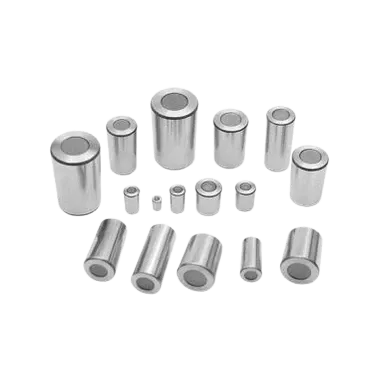
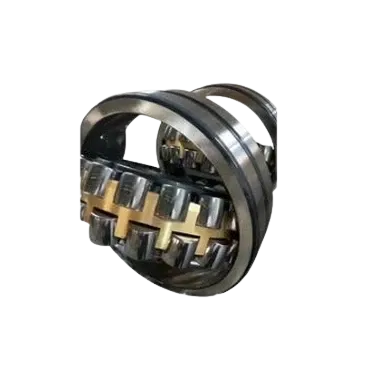
First off, let's talk about what conical rollers are. Conical rollers, also known as Taper Rollers, are unique in the world of rolling elements. They have a tapered shape, which gives them some distinct advantages over other types of rollers like Spherical Roller and Needle Roller. The tapered design allows them to handle both radial and axial loads simultaneously, which is a big deal in many mechanical applications.
Now, when it comes to medical equipment, the requirements are super strict. Medical devices need to be reliable, precise, and safe. They often operate in sensitive environments and are used for critical procedures. So, can conical rollers meet these high - standards?
One area where conical rollers could potentially shine in medical equipment is in imaging devices. Take MRI machines, for example. These machines need to move various components with extreme precision. The conical rollers' ability to handle different types of loads can ensure smooth and accurate movement of the imaging components. The tapered shape can also help in reducing friction, which is crucial as it can prevent overheating and wear and tear of the parts. This means longer - lasting components and less downtime for maintenance.
Another possible application is in surgical robots. These advanced machines are becoming more and more common in the operating room. They require highly precise and reliable motion control. Conical rollers can be used in the joints and moving parts of the surgical robot. Their load - handling capabilities can support the weight of the robotic arms and the forces exerted during surgical procedures. And since they can operate with high precision, they can contribute to the overall accuracy of the robot's movements, which is essential for successful surgeries.
In dental equipment, conical rollers can also find a place. Dental chairs, for instance, need to be adjustable in multiple directions. The conical rollers can be used in the mechanisms that control the movement of the chair, providing smooth and stable adjustment. They can handle the weight of the patient and the forces applied during dental procedures.
But it's not all sunshine and rainbows. There are some challenges to using conical rollers in medical equipment. One of the main concerns is cleanliness. Medical equipment needs to be sterilized regularly to prevent infections. Conical rollers, like any mechanical component, can have small crevices where dirt and bacteria can accumulate. So, special coatings and designs need to be developed to make them easier to clean and sterilize.
Another issue is biocompatibility. In some cases, medical equipment comes into direct contact with the patient's body. The materials used in conical rollers need to be biocompatible, meaning they won't cause an adverse reaction in the patient. This requires careful selection of materials and surface treatments.
Cost is also a factor. Developing conical rollers that meet the strict requirements of medical equipment can be expensive. The manufacturing processes need to be highly precise, and the quality control measures are much more rigorous compared to other industries.
Despite these challenges, I believe that with the right approach, conical rollers can definitely be used in medical equipment. At our company, we're constantly working on improving the design and manufacturing of conical rollers. We're researching new materials that are more biocompatible and easier to clean. We're also developing advanced coating technologies to enhance the rollers' performance and durability.
We understand that the medical industry has unique needs, and we're committed to meeting them. Our conical rollers are manufactured with the highest quality standards in mind. We use state - of - the - art equipment and follow strict quality control procedures to ensure that each roller meets the required specifications.
If you're in the medical equipment manufacturing business and are looking for reliable conical rollers, we'd love to talk to you. We can provide you with samples for testing and work with you to customize the rollers according to your specific requirements. Whether it's for a new imaging device, a surgical robot, or dental equipment, we have the expertise and the products to meet your needs.
In conclusion, while there are challenges to using conical rollers in medical equipment, the potential benefits are significant. With continuous innovation and development, conical rollers can become an important part of the next generation of medical devices.
If you're interested in learning more about our conical rollers or discussing potential applications in your medical equipment, don't hesitate to reach out. We're here to help you find the best solutions for your projects.
References
- "Engineering Principles for Medical Devices" by John Black and Anthony Hastings
- "Biomedical Engineering: Bridging Medicine and Technology" by Joseph D. Bronzino