
Can conical rollers be used in food - processing equipment?
In the realm of food - processing equipment, the selection of appropriate components is crucial for ensuring both the efficiency of the production process and the safety of the final food products. As a supplier of conical rollers, I often encounter inquiries about whether these rollers can be used in food - processing applications. In this blog, I will delve into the technical aspects, advantages, and potential challenges of using conical rollers in food - processing equipment.
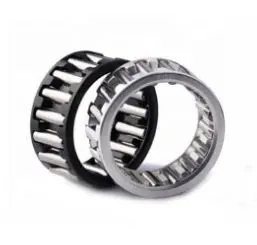
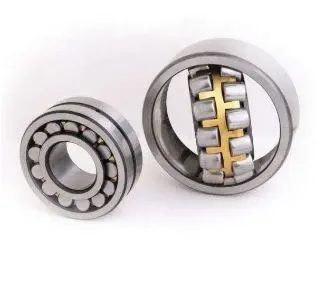
Technical Characteristics of Conical Rollers
Conical rollers, also known as Taper Rollers, have a distinct shape that tapers from one end to the other. This unique geometry allows them to handle both radial and axial loads simultaneously. Unlike cylindrical rollers, which are mainly designed for radial loads, conical rollers can distribute forces more evenly across their surface area, making them suitable for applications where complex load conditions exist.
The design of conical rollers also enables them to operate at high speeds with relatively low friction. This is due to the fact that the contact area between the roller and the raceway is optimized to reduce sliding friction, which in turn minimizes heat generation. In food - processing equipment, where high - speed operations are often required to meet production demands, the low - friction characteristic of conical rollers can contribute to energy savings and longer equipment lifespan.
Advantages of Using Conical Rollers in Food - Processing Equipment
1. Load - Bearing Capacity
Food - processing equipment often involves heavy machinery that needs to handle large loads. Conical rollers are capable of withstanding significant radial and axial loads, making them ideal for use in conveyor systems, mixers, and grinders. For example, in a large - scale meat - processing plant, the conveyor belts need to transport heavy carcasses. Conical rollers can be used in the bearings of the conveyor system to ensure smooth and reliable operation under the weight of the products.
2. Precision and Alignment
In food - processing, precision is key to maintaining product quality. Conical rollers can provide accurate alignment within the bearing assembly, which helps to ensure that the moving parts of the equipment operate in a coordinated manner. This is particularly important in processes such as slicing, dicing, and filling, where even a slight misalignment can lead to inconsistent product sizes and shapes.
3. Resistance to Contamination
Food - processing environments are often prone to contamination from food particles, moisture, and cleaning agents. Conical rollers can be designed with special seals and coatings to protect them from these contaminants. For instance, a stainless - steel coating can be applied to the rollers to resist corrosion caused by acidic or alkaline cleaning solutions. This helps to extend the service life of the rollers and reduces the risk of equipment failure due to contamination.
Potential Challenges and Mitigation Strategies
1. Material Compatibility
One of the main challenges in using conical rollers in food - processing equipment is ensuring that the materials used are food - grade and comply with relevant safety standards. The rollers must be made from materials that do not leach harmful substances into the food products. For example, the lubricants used in the bearings should be food - grade and non - toxic. As a supplier, we offer conical rollers made from high - quality stainless steel and use food - grade lubricants to meet these requirements.
2. Cleaning and Maintenance
Regular cleaning and maintenance are essential in food - processing equipment to prevent the growth of bacteria and ensure food safety. However, the complex shape of conical rollers can make them more difficult to clean compared to other types of rollers. To address this issue, we can design the rollers with smooth surfaces and easy - to - disassemble bearing assemblies. This allows for thorough cleaning and inspection, reducing the risk of contamination.
3. Noise and Vibration
In high - speed food - processing operations, excessive noise and vibration can be a concern. Conical rollers may generate more noise and vibration compared to some other types of rolling elements, such as Spherical Roller or Needle Roller. To mitigate this, we can optimize the design of the rollers and the bearing housing to reduce noise and vibration levels. For example, using shock - absorbing materials in the bearing housing can help to dampen vibrations.
Case Studies
Let's take a look at some real - world examples of how conical rollers are used in food - processing equipment.
Bakery Equipment
In a large - scale bakery, conical rollers are used in the dough - mixing machines. These machines need to handle the heavy and sticky dough, which requires a high - load - bearing capacity. The conical rollers in the bearings of the mixing shafts can effectively distribute the radial and axial loads generated during the mixing process. This ensures smooth operation and reduces the risk of breakdowns, allowing the bakery to maintain a high production output.
Dairy Processing
In dairy processing plants, conical rollers are used in the homogenizers. Homogenizers are used to break down the fat globules in milk to prevent creaming. The high - pressure and high - speed operation of the homogenizer requires rollers that can withstand high loads and operate with precision. Conical rollers provide the necessary load - bearing capacity and alignment, ensuring that the homogenization process is carried out effectively.
Conclusion
In conclusion, conical rollers can indeed be used in food - processing equipment. Their unique technical characteristics, such as high load - bearing capacity, precision, and resistance to contamination, make them suitable for a wide range of applications in the food - processing industry. Although there are some potential challenges, such as material compatibility and cleaning requirements, these can be effectively addressed through proper design and selection of materials.
If you are in the food - processing industry and are considering using conical rollers in your equipment, I encourage you to contact us for a detailed discussion. We have a team of experts who can provide you with customized solutions based on your specific requirements. Whether you need conical rollers for a new equipment design or for the replacement of existing components, we are here to assist you.
References
- "Rolling Bearing Technology" by SKF Group
- "Food Processing Machinery and Equipment" by Elsevier
- Industry standards and regulations related to food - grade materials and equipment safety.