
Can Carbon Steel Balls be Used in Abrasive Applications?
As a dedicated supplier of Carbon Steel Balls, I often encounter inquiries about the suitability of our products for abrasive applications. In this blog post, I'll delve into the properties of carbon steel balls, their potential use in abrasive scenarios, and how they stack up against other types of balls in the market.
Properties of Carbon Steel Balls
Carbon steel balls are made from steel alloys that contain carbon as the primary alloying element. The carbon content typically ranges from 0.05% to 2.1%, which significantly influences the hardness, strength, and ductility of the balls. Generally, higher carbon content results in increased hardness and strength but reduced ductility.
One of the key advantages of carbon steel balls is their relatively low cost compared to other types of steel balls, such as Stainless Steel Ball. This cost - effectiveness makes them an attractive option for many industrial applications, including abrasive ones. They also offer good wear resistance, which is crucial in abrasive environments. The hardness of carbon steel balls can be further enhanced through heat treatment processes like quenching and tempering, which can improve their performance in abrasive applications.
Abrasive Applications and Requirements
Abrasive applications involve the use of materials to wear away or smooth the surface of other materials. These applications can be found in various industries, such as metalworking, mining, and foundry. In metalworking, for example, abrasive materials are used for deburring, surface finishing, and polishing. In mining, they are used for ore grinding and crushing.
The requirements for balls used in abrasive applications are quite specific. Firstly, they need to have high hardness to withstand the wear and tear caused by the abrasive process. Secondly, they should have good impact resistance to prevent breakage during the abrasive operation. Additionally, the balls should maintain their shape and size over time to ensure consistent abrasive performance.
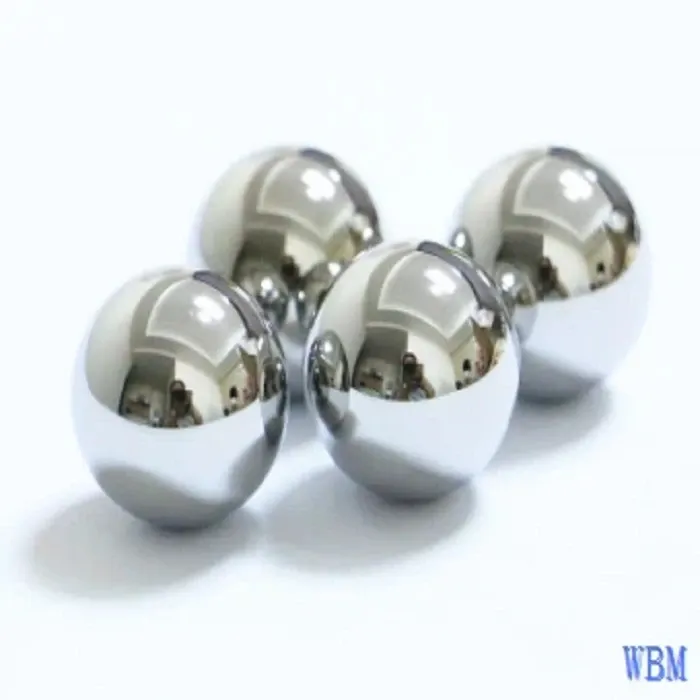

Using Carbon Steel Balls in Abrasive Applications
Carbon steel balls can indeed be used in many abrasive applications. Their hardness, which can be adjusted through heat treatment, allows them to effectively abrade softer materials. For instance, in the deburring process of metal parts, carbon steel balls can be used in tumbling barrels to remove sharp edges and burrs. The high - energy collisions between the balls and the parts help to smooth the surfaces.
In ore grinding applications, carbon steel balls are often used in ball mills. The balls are loaded into the mill along with the ore, and as the mill rotates, the balls crush and grind the ore into smaller particles. The wear resistance of carbon steel balls ensures that they can last for a reasonable period in this harsh environment.
However, it's important to note that carbon steel balls are not without limitations in abrasive applications. They are prone to rusting, especially in wet or humid environments. Rust can not only reduce the effectiveness of the balls but also contaminate the materials being processed. To mitigate this issue, carbon steel balls can be coated with anti - rust agents or used in dry abrasive processes.
Comparison with Other Types of Balls
When compared to Stainless Steel Ball, carbon steel balls are generally less corrosion - resistant. Stainless steel balls contain chromium, which forms a passive oxide layer on the surface, protecting the ball from rust and corrosion. This makes stainless steel balls more suitable for abrasive applications in wet or corrosive environments.
On the other hand, Inch Steel Ball, which are often made of high - quality steel, may offer better precision and performance in some abrasive applications. They are typically manufactured to more exacting standards, which can be beneficial in applications where precise control of the abrasive process is required.
However, the cost advantage of carbon steel balls cannot be ignored. For applications where corrosion is not a major concern and cost is a significant factor, carbon steel balls remain a viable choice.
Quality Control and Selection
As a supplier, we understand the importance of quality control when it comes to carbon steel balls used in abrasive applications. We use advanced manufacturing processes to ensure that our balls have consistent hardness, size, and shape. Our quality control team conducts rigorous inspections at every stage of production, from raw material testing to final product inspection.
When selecting carbon steel balls for abrasive applications, several factors should be considered. The size of the balls is crucial, as it affects the abrasive efficiency. Larger balls are generally more suitable for coarse grinding, while smaller balls are better for fine finishing. The hardness of the balls should also be matched to the hardness of the material being abraded.
Conclusion
In conclusion, carbon steel balls can be effectively used in many abrasive applications. Their cost - effectiveness, combined with their adjustable hardness and wear resistance, makes them a popular choice in various industries. While they have some limitations, such as susceptibility to rust, these can be managed through proper treatment and application selection.
If you are considering using carbon steel balls for your abrasive applications, I encourage you to reach out to us. We have a wide range of carbon steel balls available in different sizes and hardness levels to meet your specific needs. Our team of experts can also provide you with professional advice on the selection and use of our products. Contact us today to start a discussion about your abrasive application requirements and how our Metal Ball solutions can benefit your business.
References
- ASM Handbook, Volume 1: Properties and Selection: Irons, Steels, and High - Performance Alloys
- Tribology Handbook, edited by B. Bhushan
- Mineral Processing Design and Operations: An Introduction, by A. B. Gonçalves