
Can ball bearing balls be used in magnetic fields? That's a question I get asked a lot as a supplier of Ball Bearing Balls. In this blog, I'll dig into this topic, sharing some insights based on my experience in the industry.
First off, let's understand what ball bearing balls are. They're small spheres that play a crucial role in ball bearings, which are used in all sorts of machinery to reduce friction and support loads. These balls come in different materials like steel, stainless steel, and ceramic.
Now, when it comes to using them in magnetic fields, the answer isn't a simple yes or no. It depends mainly on the material of the ball bearing balls.
Steel balls are a common choice in ball bearings. They're strong, durable, and can handle high loads. But steel is ferromagnetic, which means it's attracted to magnets and can be magnetized itself. If you're using Metal Ball in a magnetic field, they'll definitely interact with the magnetic forces.
In some cases, this can be an advantage. For example, in certain types of motors or generators, the magnetic interaction between the steel balls and the magnetic field can be used to transfer torque or generate electricity. The magnetic force can help keep the balls in place and ensure smooth operation.
However, there are also situations where the magnetic properties of steel balls can be a problem. In precision instruments or electronic devices, even a small magnetic field can cause interference. The magnetization of the steel balls can attract dust or other small particles, which can lead to wear and tear and reduce the lifespan of the bearings.
Stainless steel balls are another option. Stainless Steel Ball are known for their corrosion resistance and high strength. But not all stainless steels are created equal when it comes to magnetism. Austenitic stainless steels, which are the most common type, are generally non - magnetic. This makes them a great choice for applications where magnetic interference needs to be minimized.
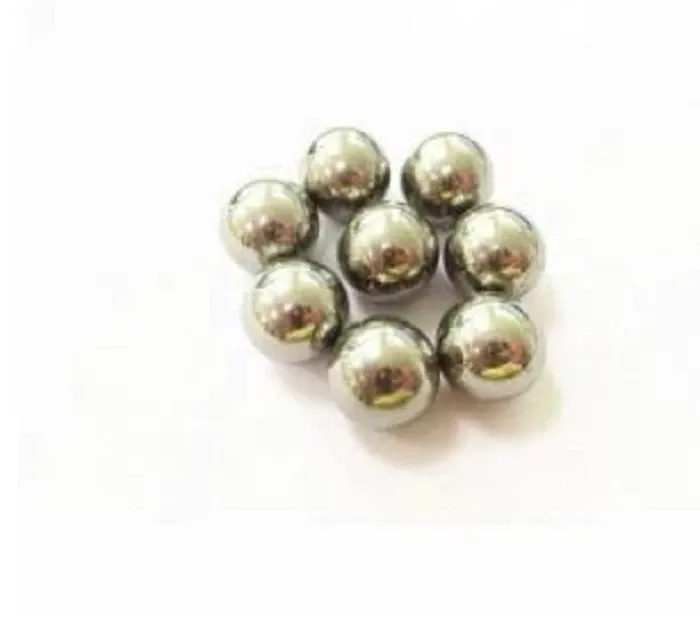
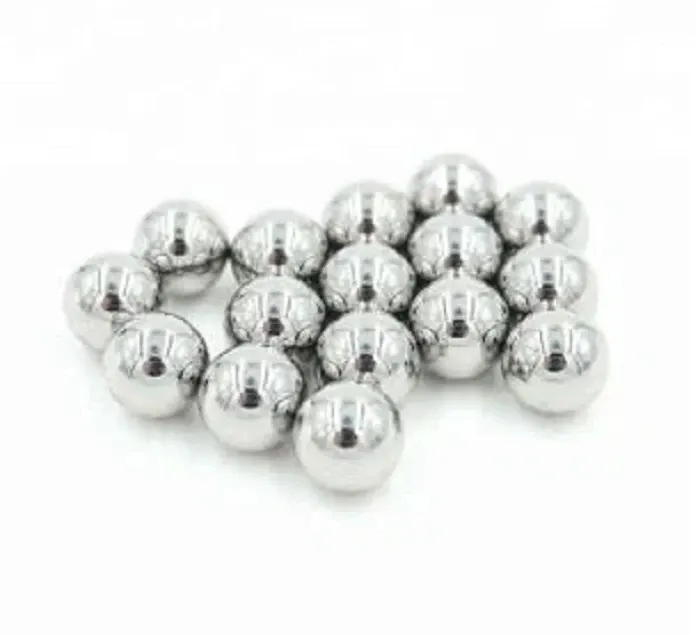
For instance, in medical equipment like MRI machines, non - magnetic stainless steel balls are used to ensure that the magnetic field of the machine isn't disrupted. In the food and beverage industry, where hygiene and non - contamination are crucial, non - magnetic stainless steel balls are preferred as they won't attract metal particles.
On the other hand, ferritic and martensitic stainless steels are magnetic. They have similar magnetic properties to regular steel. So, if you're using these types of stainless steel balls in a magnetic field, you'll need to consider the same factors as with steel balls.
Ceramic balls are also used in ball bearings. They're lightweight, have a low coefficient of friction, and are non - magnetic. This makes them ideal for use in magnetic fields where you don't want any magnetic interference. In high - speed applications, such as in computer hard drives or aerospace equipment, ceramic balls can provide smooth operation without being affected by the magnetic field.
Another type of ball is the Din 5401 Steel Ball. These balls are manufactured according to the DIN 5401 standard, which ensures high quality and precision. They're typically made of steel, so they'll have magnetic properties similar to other steel balls.
When deciding whether to use ball bearing balls in a magnetic field, you also need to consider the strength of the magnetic field. A weak magnetic field may not have a significant impact on the performance of the bearings, while a strong magnetic field can cause major problems.
You should also think about the temperature. High temperatures can affect the magnetic properties of the materials. For example, some materials may lose their magnetism at high temperatures, which can change the behavior of the ball bearing balls in the magnetic field.
In addition to the material and the magnetic field strength, the design of the bearing itself is important. The way the balls are arranged and the type of cage used can influence how the bearings interact with the magnetic field.
If you're in an industry where you need to use ball bearing balls in a magnetic field, it's crucial to do some testing. You can simulate the magnetic field conditions in a laboratory and see how the bearings perform. This will help you choose the right type of ball bearing balls for your specific application.
As a supplier of Ball Bearing Balls, I've seen firsthand how different materials perform in various magnetic field scenarios. I can help you select the most suitable balls for your needs. Whether you need non - magnetic stainless steel balls for a sensitive electronic device or steel balls for a high - torque application, I've got you covered.
If you're interested in purchasing ball bearing balls for use in magnetic fields or any other application, feel free to get in touch. I can provide you with detailed information about the products, including their magnetic properties, dimensions, and pricing. Let's have a chat and find the perfect solution for your business.
References
- "Ball Bearings: Design, Engineering, and Performance" by Peter J. Booser
- "Magnetism and Magnetic Materials" by David Jiles
- Industry research reports on ball bearing applications in magnetic fields