
As a supplier of ball bearing balls, I am often asked about the potential uses of these precision components beyond their traditional role in mechanical systems. One question that frequently arises is whether ball bearing balls can be used in electrical applications. In this blog post, I will explore this topic in detail, examining the properties of ball bearing balls, the requirements of electrical applications, and the potential benefits and limitations of using ball bearing balls in these contexts.
Properties of Ball Bearing Balls
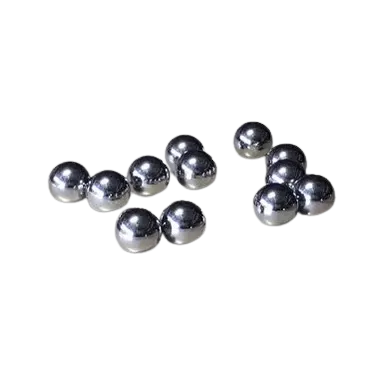
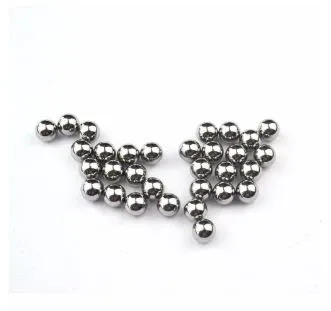
Ball bearing balls are typically made from high - quality materials such as steel, ceramic, or glass. The most common material is steel, which offers a combination of strength, durability, and cost - effectiveness. There are different types of steel balls available, including Inch Steel Ball, Carbon Steel Ball, and High Chrome Steel Balls.
Steel Balls
- Conductivity: Steel is a good conductor of electricity. The electrical conductivity of steel depends on its composition and heat treatment. Generally, carbon steel has a relatively high electrical conductivity, which makes it suitable for applications where electrical current needs to be transmitted.
- Hardness and Wear Resistance: Ball bearing steel balls are known for their high hardness and wear resistance. This is achieved through processes such as heat treatment and precision machining. In electrical applications, these properties can be beneficial in environments where the balls may be subject to mechanical stress or abrasion.
- Sphericity and Surface Finish: Ball bearing balls are manufactured to extremely high standards of sphericity and surface finish. This precision ensures smooth operation in mechanical systems and can also be advantageous in electrical applications where consistent contact and low resistance are required.
Ceramic Balls
- Insulation: Ceramic materials are excellent electrical insulators. They have very low electrical conductivity, which makes them suitable for applications where electrical isolation is necessary.
- High Temperature Resistance: Ceramics can withstand high temperatures without significant degradation of their properties. This makes ceramic ball bearing balls suitable for high - temperature electrical applications.
- Chemical Inertness: Ceramics are chemically inert, which means they are resistant to corrosion and chemical attack. This property is valuable in electrical applications where the balls may be exposed to harsh environments.
Glass Balls
- Insulation: Similar to ceramics, glass is an electrical insulator. It is often used in applications where electrical isolation is required.
- Transparency: Glass balls are transparent, which can be useful in applications where visual inspection of the electrical components is necessary.
Requirements of Electrical Applications
Electrical applications have a wide range of requirements, depending on the specific application. Some common requirements include:
Electrical Conductivity
- In applications such as electrical switches, connectors, and relays, electrical conductivity is crucial. The components need to be able to transmit electrical current with low resistance to ensure efficient operation.
- In grounding applications, a good electrical conductor is required to safely dissipate electrical charges.
Electrical Insulation
- In high - voltage applications, electrical insulation is essential to prevent electrical arcing and short - circuits. Insulating materials are used to separate electrical components and protect against electrical hazards.
- In electronic circuits, insulation is also important to prevent interference between different components.
Mechanical Stability
- Electrical components often need to maintain their mechanical stability during operation. In applications where ball bearing balls are used, the balls need to be able to withstand mechanical forces without deforming or breaking.
- Vibration and shock resistance are also important considerations in electrical applications, especially in mobile or industrial environments.
Temperature Resistance
- Some electrical applications generate a significant amount of heat, and the components need to be able to withstand high temperatures without failure. In high - power electrical systems, temperature management is crucial to ensure the reliability and performance of the components.
Potential Benefits of Using Ball Bearing Balls in Electrical Applications
Improved Electrical Contact
- The high sphericity and smooth surface finish of ball bearing balls can provide excellent electrical contact in applications such as electrical switches and connectors. The consistent contact between the balls and the mating surfaces can reduce electrical resistance and improve the efficiency of the electrical connection.
- In some cases, the use of multiple ball bearing balls in a contact assembly can distribute the electrical current more evenly, reducing the risk of overheating and improving the overall performance of the electrical component.
Mechanical Durability
- The hardness and wear resistance of ball bearing balls make them suitable for applications where the electrical components are subject to mechanical stress. For example, in electrical connectors that are frequently plugged and unplugged, the use of ball bearing balls can improve the longevity of the connector by reducing wear and tear.
- In high - vibration environments, the mechanical stability of ball bearing balls can help to maintain the integrity of the electrical connection.
Customization
As a ball bearing ball supplier, we can offer a wide range of customization options. We can produce balls in different sizes, materials, and surface finishes to meet the specific requirements of electrical applications. This allows for the optimization of the electrical and mechanical properties of the balls for each application.
Limitations of Using Ball Bearing Balls in Electrical Applications
Cost
- The cost of high - quality ball bearing balls can be relatively high, especially for specialized materials such as ceramics or high - chrome steel. This can be a limiting factor in some cost - sensitive electrical applications.
- The manufacturing process of ball bearing balls is complex and requires precision equipment and expertise. This also contributes to the overall cost.
Compatibility
- In some electrical applications, the materials used in ball bearing balls may not be compatible with other components. For example, the chemical reaction between steel balls and certain types of electrical contacts may lead to corrosion or the formation of insulating layers, which can increase electrical resistance.
- The thermal expansion coefficients of different materials need to be considered to ensure that the ball bearing balls and other components can maintain their mechanical and electrical properties over a wide range of temperatures.
Environmental Considerations
- In harsh environments, such as those with high humidity, chemical exposure, or extreme temperatures, the performance of ball bearing balls in electrical applications may be affected. Special coatings or treatments may be required to protect the balls from corrosion and degradation.
Conclusion
In conclusion, ball bearing balls can be used in a variety of electrical applications, depending on their material properties and the specific requirements of the application. Steel balls are suitable for applications where electrical conductivity is required, while ceramic and glass balls are ideal for applications where electrical insulation is necessary. The high hardness, wear resistance, and precision of ball bearing balls offer several benefits in electrical applications, including improved electrical contact, mechanical durability, and customization options. However, there are also limitations, such as cost, compatibility, and environmental considerations.
If you are interested in using ball bearing balls in your electrical applications, I encourage you to contact us for more information. Our team of experts can help you select the right type of ball bearing balls based on your specific requirements and provide you with customized solutions. We look forward to discussing your needs and working with you to find the best ball bearing ball solutions for your electrical applications.
References
- ASM Handbook, Volume 1: Properties and Selection: Irons, Steels, and High - Performance Alloys
- Ball Bearing Design and Application Handbook
- Electrical Engineering Handbook, Third Edition