
Can a large steel ball be used in corrosive environments? This is a question that many of our customers often ask, and as a leading large steel ball supplier, we're here to provide a comprehensive answer.
Understanding Corrosion and Steel
Corrosion is a natural process that involves the deterioration of metals due to chemical reactions with their environment. When it comes to steel, which is an alloy primarily composed of iron and carbon, it is particularly susceptible to corrosion, especially in the presence of oxygen and moisture. The most common form of steel corrosion is rusting, where iron reacts with oxygen in the air to form iron oxide.
However, not all steel is created equal. Different types of steel have different compositions and properties, which can significantly affect their resistance to corrosion. For example, stainless steel contains chromium, which forms a thin, protective oxide layer on the surface of the steel, preventing further oxidation and corrosion. Other alloying elements, such as nickel and molybdenum, can also enhance the corrosion resistance of steel.
Using Large Steel Balls in Corrosive Environments
The answer to whether a large steel ball can be used in corrosive environments is not a simple yes or no. It depends on several factors, including the type of steel, the nature of the corrosive environment, and the specific application.
Type of Steel
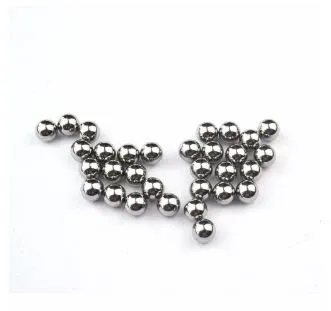
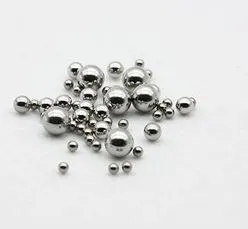
- Carbon Steel Balls: Carbon steel is the most common type of steel used to make large steel balls. It is relatively inexpensive and has good mechanical properties, such as high hardness and strength. However, carbon steel is highly susceptible to corrosion, especially in wet or acidic environments. Therefore, carbon steel balls are not suitable for use in corrosive environments without proper protection.
- Stainless Steel Balls: Stainless steel balls are a popular choice for applications in corrosive environments. As mentioned earlier, stainless steel contains chromium, which provides excellent corrosion resistance. There are different grades of stainless steel, each with its own level of corrosion resistance. For example, 304 stainless steel is a common grade that offers good general corrosion resistance, while 316 stainless steel, which contains molybdenum, provides enhanced resistance to pitting and crevice corrosion in chloride-rich environments.
- High Chrome Steel Balls: High chrome steel balls are another option for use in corrosive environments. These balls are made from steel with a high chromium content, which gives them excellent wear resistance and corrosion resistance. High chrome steel balls are often used in applications where both corrosion resistance and high hardness are required, such as in the mining and chemical industries.
Nature of the Corrosive Environment
The nature of the corrosive environment also plays a crucial role in determining whether a large steel ball can be used. Different corrosive environments have different levels of aggressiveness, depending on factors such as the type and concentration of corrosive agents, temperature, and humidity.
- Acidic Environments: Acidic environments, such as those containing sulfuric acid or hydrochloric acid, can be extremely corrosive to steel. In these environments, stainless steel or high chrome steel balls with high corrosion resistance are typically required.
- Alkaline Environments: Alkaline environments, such as those containing sodium hydroxide or potassium hydroxide, can also cause corrosion of steel. However, the rate of corrosion is generally lower than in acidic environments. Stainless steel balls are often a suitable choice for use in alkaline environments.
- Saltwater Environments: Saltwater is a highly corrosive environment due to the presence of chloride ions. In saltwater environments, stainless steel balls, particularly those made from 316 stainless steel, are commonly used to prevent corrosion.
Specific Application
The specific application of the large steel ball also needs to be considered. For example, in some applications, the steel ball may be in direct contact with the corrosive medium, while in others, it may be protected by a coating or a seal.
- Direct Contact: If the large steel ball is in direct contact with the corrosive medium, it is essential to choose a steel with high corrosion resistance. Additionally, the ball may need to be coated or treated to provide additional protection.
- Indirect Contact: In some applications, the steel ball may not be in direct contact with the corrosive medium. For example, in a ball bearing, the ball is protected by the bearing housing and lubricant. In these cases, the requirements for corrosion resistance may be less stringent.
Protective Measures for Large Steel Balls in Corrosive Environments
Even if a large steel ball is made from a corrosion-resistant steel, additional protective measures may be necessary to ensure its long-term performance in a corrosive environment.
Coatings
Coatings can provide an additional layer of protection against corrosion. There are different types of coatings available, including organic coatings, such as paints and epoxy coatings, and inorganic coatings, such as zinc and chrome plating. The choice of coating depends on the specific application and the type of corrosive environment.
- Organic Coatings: Organic coatings are relatively easy to apply and can provide good protection against corrosion. However, they may be less durable than inorganic coatings and may require periodic reapplication.
- Inorganic Coatings: Inorganic coatings, such as zinc and chrome plating, are more durable and provide excellent corrosion resistance. However, they are more expensive and may require specialized equipment for application.
Surface Treatments
Surface treatments can also improve the corrosion resistance of large steel balls. For example, passivation is a process that involves treating the surface of the steel ball with an acid solution to remove any free iron and create a passive oxide layer on the surface. This passive layer can provide additional protection against corrosion.
Sealing and Lubrication
In some applications, sealing and lubrication can help to protect the large steel ball from corrosion. For example, in a ball bearing, the bearing housing can be sealed to prevent the ingress of corrosive agents, and the lubricant can provide a protective film on the surface of the ball.
Our Product Offerings
As a large steel ball supplier, we offer a wide range of steel balls to meet the needs of different applications, including those in corrosive environments. Our product portfolio includes:
- Weldable Steel Balls: These balls are designed for applications where welding is required. They are made from high-quality steel and have good weldability and corrosion resistance.
- High Chrome Steel Balls: As mentioned earlier, high chrome steel balls offer excellent wear resistance and corrosion resistance. They are suitable for use in demanding applications, such as in the mining and chemical industries.
- Inch Steel Ball: Our inch steel balls are available in a variety of sizes and grades. They are made from high-quality steel and are suitable for a wide range of applications, including those in corrosive environments.
Conclusion
In conclusion, a large steel ball can be used in corrosive environments, but it is essential to choose the right type of steel and take appropriate protective measures. By considering the type of steel, the nature of the corrosive environment, and the specific application, you can ensure that your large steel balls will provide long-term performance and reliability.
If you have any questions or need further information about our large steel balls, please feel free to contact us. We're here to help you find the best solution for your specific needs.
References
- ASM Handbook, Volume 13A: Corrosion: Fundamentals, Testing, and Protection. ASM International.
- Metals Handbook Desk Edition, 3rd Edition. ASM International.
- Corrosion Resistance of Stainless Steels. Robert W. Messler, Jr.