
Hey there! As a supplier of rolling elements, I often get asked about the environmental impacts of using these nifty little components. So, I thought I'd take a moment to chat about it and give you the lowdown on what's going on in the world of rolling elements and the environment.
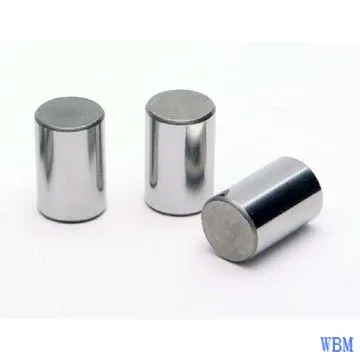
First off, let's talk about what rolling elements are. In a nutshell, rolling elements are parts that reduce friction between moving parts in a machine. They come in different shapes and sizes, like balls, rollers, and needles, and are used in all sorts of applications, from industrial machinery to automotive engines. You can check out some of our products like the Interroll Tapered Roller and Cylindrical roller for industrial and wind - power bearings.

Manufacturing Process
The manufacturing of rolling elements can have a significant environmental impact. Most rolling elements are made from steel, which requires a lot of energy to produce. The steelmaking process involves mining iron ore, which can lead to deforestation, soil erosion, and water pollution. Once the iron ore is mined, it's smelted in a blast furnace at extremely high temperatures, consuming vast amounts of coal and natural gas. This releases large quantities of carbon dioxide and other greenhouse gases into the atmosphere, contributing to global warming.
However, at our company, we're constantly looking for ways to reduce the environmental impact of our manufacturing process. We've invested in energy - efficient equipment that uses less power during the production of rolling elements. For example, we've upgraded our furnaces to ones that are more efficient at heating the steel, which not only saves energy but also reduces the amount of greenhouse gas emissions.
We also try to source our raw materials responsibly. We work with suppliers who adhere to strict environmental standards, ensuring that the iron ore we use is mined in an environmentally friendly way. This helps to minimize the damage to the environment caused by the extraction process.
Energy Efficiency
One of the biggest advantages of using rolling elements is their ability to improve energy efficiency. By reducing friction between moving parts, rolling elements allow machines to operate more smoothly and with less resistance. This means that less energy is needed to power the machine, which in turn reduces the amount of fuel or electricity consumed.
For example, in automotive engines, the use of high - quality rolling elements can improve the engine's efficiency, resulting in better fuel economy. This not only saves the driver money on gas but also reduces the vehicle's carbon footprint. In industrial machinery, such as conveyor systems, the use of rolling elements can reduce the power consumption of the motors, leading to significant energy savings over time.
Lifespan and Durability
Another important factor to consider when looking at the environmental impact of rolling elements is their lifespan and durability. High - quality rolling elements are designed to last a long time, which means that they don't need to be replaced as often. This reduces the amount of waste generated by the disposal of worn - out parts.
When rolling elements are made to strict quality standards, they can withstand heavy loads and harsh operating conditions without wearing out quickly. This is especially important in industrial applications where machines are used continuously. By using durable rolling elements, companies can avoid the need for frequent maintenance and replacement, which not only saves money but also reduces the environmental impact associated with the production and disposal of new parts.
End - of - Life Disposal
Eventually, all rolling elements will reach the end of their useful life. When this happens, it's important to dispose of them properly. Most rolling elements are made of steel, which is a highly recyclable material. Recycling steel is much more energy - efficient than producing new steel from raw materials. It takes about 75% less energy to recycle steel than to produce it from scratch.
At our company, we encourage our customers to recycle their used rolling elements. We even offer a recycling program where we collect the used parts from our customers and send them to a recycling facility. This ensures that the steel can be reused in the production of new rolling elements or other steel products, reducing the demand for virgin materials and minimizing the environmental impact.
Noise Pollution
In some applications, the use of rolling elements can also help to reduce noise pollution. When machines operate with less friction, they tend to make less noise. This is particularly important in industrial settings where loud machinery can be a nuisance to workers and nearby communities.
For example, in a factory with a lot of conveyor belts, the use of high - quality rolling elements can reduce the rattling and grinding noises that are often associated with the movement of the belts. This creates a more pleasant working environment for the employees and also helps to reduce the noise impact on the surrounding area.
Water Pollution
Although not as well - known as air pollution, water pollution can also be an issue in the production and use of rolling elements. During the manufacturing process, there can be some water - based processes involved, such as cooling and cleaning. If these processes are not properly managed, they can lead to the release of pollutants into water sources.
To address this issue, we have installed water treatment systems in our factories. These systems clean and recycle the water used in our production processes, ensuring that any contaminants are removed before the water is released back into the environment. This helps to protect local water sources from pollution.
Conclusion
So, are there any environmental impacts of using rolling elements? The answer is yes, but it's a mixed bag. On one hand, the manufacturing process can have a significant environmental impact, especially in terms of energy consumption and greenhouse gas emissions. On the other hand, the use of rolling elements can improve energy efficiency, reduce noise pollution, and have a relatively long lifespan, which all work in favor of the environment.
As a supplier of rolling elements, we're committed to minimizing the environmental impact of our products. We'll continue to invest in research and development to find new and better ways to make our manufacturing process more sustainable, improve the energy efficiency of our rolling elements, and ensure proper end - of - life disposal.
If you're interested in learning more about our rolling elements or have any questions about their environmental impact, we'd love to hear from you. Whether you're in the automotive industry, manufacturing, or any other field that uses rolling elements, we can provide you with high - quality products that are both environmentally friendly and cost - effective. So, don't hesitate to reach out to us for a discussion about your rolling element needs and how we can work together to make a positive impact on the environment.
References
- "Environmental Impact of Steel Production" - Journal of Environmental Science and Technology
- "Energy Efficiency in Industrial Machinery" - Industrial Engineering Magazine
- "Recycling of Metals: A Sustainable Approach" - Recycling Research Journal