
Hey there! As a supplier of solid steel balls, I often get asked if these little guys are suitable for high - pressure applications. Well, let's dive right in and explore this topic.
First off, what makes high - pressure applications so special? High - pressure environments are those where the forces acting on materials are significantly above normal. Think about hydraulic systems, deep - sea equipment, and high - pressure valves. In these scenarios, the materials used need to be able to withstand extreme forces without deforming, cracking, or failing.
So, are solid steel balls up for the challenge? The short answer is, in many cases, yes! Solid steel balls have several properties that make them a great fit for high - pressure applications.
One of the key advantages of solid steel balls is their high strength. Steel is known for its robust mechanical properties, and solid steel balls are no exception. They can handle a large amount of pressure without losing their shape. For instance, in a hydraulic system, solid steel balls can be used as check valves. When the pressure builds up, these balls can effectively seal the valve, preventing backflow. Their strength ensures that they won't get squished or damaged under the high - pressure conditions.
Another important factor is hardness. Solid steel balls can be made with different levels of hardness depending on the specific requirements. A harder steel ball can resist wear and deformation better. In high - pressure applications where there's a lot of friction and contact between parts, a hard steel ball will last longer. For example, in a high - pressure bearing, a hard steel ball can reduce the wear on the bearing surfaces, extending the overall lifespan of the bearing.
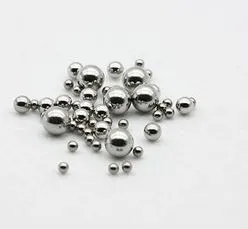

Corrosion resistance is also crucial in many high - pressure applications. Some high - pressure systems are exposed to harsh chemicals or moisture. That's where steel balls like 316 Stainless Steel Balls come in handy. 316 stainless steel has excellent corrosion resistance, which means the steel balls can maintain their integrity even in corrosive environments. This is especially important in applications like deep - sea equipment, where the balls are constantly in contact with saltwater.
However, it's not all sunshine and rainbows. There are some situations where solid steel balls might not be the best choice for high - pressure applications.
One potential issue is weight. Solid steel balls are relatively heavy. In some high - pressure applications where weight is a concern, such as aerospace systems, the extra weight of steel balls could be a drawback. Lighter materials might be preferred to reduce the overall weight of the system.
Another consideration is cost. High - quality steel balls, especially those with special properties like high hardness and corrosion resistance, can be expensive. If the application doesn't require the full range of properties that steel balls offer, using them might not be cost - effective. For example, in a low - cost, low - precision high - pressure application, there might be more affordable alternatives available.
Let's take a look at some specific types of solid steel balls and their suitability for high - pressure applications.
Chorme Steel Ball is a popular choice. Chrome steel is known for its high hardness and good wear resistance. These balls are often used in high - pressure bearings and ball screws. The high hardness allows them to handle the high - pressure loads in these applications, while the wear resistance ensures a long service life.
Weldable Steel Balls are also worth mentioning. In some high - pressure applications, it might be necessary to weld the steel balls to other components. Weldable steel balls offer this flexibility. They can be used in custom - made high - pressure assemblies where welding is part of the manufacturing process.
When choosing solid steel balls for high - pressure applications, there are a few things to keep in mind. First, you need to consider the specific pressure requirements of the application. Make sure the steel balls you choose have the appropriate strength and hardness to handle the expected pressure. Second, think about the environment. If the application is in a corrosive environment, select steel balls with good corrosion resistance. Finally, don't forget about cost. Balance the performance requirements with the budget to make the most cost - effective decision.
In conclusion, solid steel balls can be a great option for many high - pressure applications. Their strength, hardness, and in some cases, corrosion resistance make them suitable for a wide range of scenarios. However, you need to carefully evaluate the specific needs of your application to determine if they're the right choice.
If you're in the market for solid steel balls for high - pressure applications, I'd love to help. Whether you need 316 stainless steel balls, chrome steel balls, or weldable steel balls, we've got you covered. Reach out to us to discuss your requirements and let's work together to find the perfect solution for your high - pressure needs.
References
- "Materials Science and Engineering: An Introduction" by William D. Callister Jr. and David G. Rethwisch
- "Handbook of Bearings" by D. Peter Cameron