
Hey there, folks! I'm a supplier of metal balls, and I've been getting a lot of questions lately about whether metal balls are used in the chemical industry. So, I thought I'd whip up this blog post to answer that question and give you a bit of insight into how these little spheres play a big role in the chemical world.
The Role of Metal Balls in the Chemical Industry
First off, let's talk about why metal balls are even relevant in the chemical industry. There are several key areas where these balls are put to work, and they all boil down to the unique properties of metals and the specific requirements of chemical processes.
Mixing and Agitation
One of the most common uses of metal balls in the chemical industry is for mixing and agitation. When you're mixing different chemicals, you need to ensure that the substances are thoroughly combined to achieve a homogeneous mixture. Metal balls can be used in mixing vessels to help break up clumps and improve the overall mixing efficiency.
For example, in a large chemical reactor, metal balls can be added to the mixture. As the reactor rotates or the agitator moves, the balls tumble around, colliding with the chemical substances and helping to distribute them evenly. This is especially useful in processes where the chemicals have different viscosities or densities, as it can be challenging to achieve a uniform mix otherwise.
Grinding and Milling
Another important application of metal balls is in grinding and milling operations. Chemical substances often need to be reduced to a smaller particle size for various reasons, such as improving solubility or enhancing reactivity. Metal balls are commonly used in ball mills for this purpose.
In a ball mill, the metal balls are placed in a rotating cylinder along with the material to be ground. As the cylinder rotates, the balls cascade and collide with the material, crushing and grinding it into smaller particles. The size and material of the metal balls can be selected based on the specific requirements of the grinding process. For instance, Carbon Steel Balls are often used for general grinding applications due to their high hardness and durability.
Catalysis
Some metal balls can also act as catalysts in chemical reactions. A catalyst is a substance that speeds up a chemical reaction without being consumed in the process. Certain metals, such as platinum and palladium, have unique catalytic properties that make them ideal for use in chemical synthesis.
Companies can use metal balls made of these catalytic metals to increase the efficiency of chemical reactions. For example, in the production of certain types of plastics, catalytic metal balls can be used to facilitate the polymerization process, reducing the reaction time and energy consumption.
Sealing and Valve Applications
Metal balls are also used in sealing and valve applications within the chemical industry. In valves, metal balls can be used as shut-off mechanisms to control the flow of chemicals. The smooth surface of the metal ball allows for a tight seal, preventing leaks and ensuring the safe and efficient operation of the system.
Weldable Steel Balls are often preferred in these applications because they can be easily welded into place, providing a strong and reliable seal. Additionally, the corrosion resistance of certain metals, such as 316 Stainless Steel Balls, makes them suitable for use in harsh chemical environments.
Types of Metal Balls Used in the Chemical Industry
Now that we've covered the main applications of metal balls in the chemical industry, let's take a closer look at the different types of metal balls that are commonly used.
Steel Balls
Steel balls are one of the most widely used types of metal balls in the chemical industry. They are available in various grades and compositions, each with its own set of properties and applications.
- Carbon Steel Balls: As mentioned earlier, carbon steel balls are known for their high hardness and durability. They are often used in grinding and milling operations due to their ability to withstand the high impact forces involved in these processes.
- Stainless Steel Balls: Stainless steel balls, such as 316 Stainless Steel Balls, are highly corrosion-resistant. This makes them suitable for use in chemical environments where exposure to corrosive substances is a concern. They are commonly used in sealing and valve applications, as well as in processes where the presence of contaminants needs to be minimized.
- Weldable Steel Balls: Weldable Steel Balls are designed to be easily welded, making them ideal for applications where a strong and permanent connection is required. They are often used in the construction of pipelines and equipment in the chemical industry.
Non-Ferrous Metal Balls
In addition to steel balls, non-ferrous metal balls are also used in the chemical industry. These include balls made of materials such as aluminum, copper, and brass.
- Aluminum Balls: Aluminum balls are lightweight and have good corrosion resistance. They are often used in applications where weight is a consideration, such as in the aerospace and automotive industries. In the chemical industry, aluminum balls can be used in processes where the chemical reaction is not sensitive to the presence of aluminum.
- Copper and Brass Balls: Copper and brass balls have good electrical and thermal conductivity. They are often used in applications where these properties are required, such as in electrical connectors and heat exchangers. In the chemical industry, copper and brass balls can be used in processes where the chemical reaction involves the transfer of heat or electricity.
Advantages of Using Metal Balls in the Chemical Industry
There are several advantages to using metal balls in the chemical industry, which is why they are so widely used.
Durability
Metal balls are highly durable and can withstand the harsh conditions of chemical processes. They can resist wear, corrosion, and high temperatures, ensuring a long service life. This means that companies can use metal balls in their equipment for extended periods of time without having to worry about frequent replacements, which can save both time and money.
Precision
Metal balls can be manufactured with high precision, ensuring consistent performance. The size and shape of the balls can be carefully controlled, which is important in applications where precise mixing, grinding, or sealing is required. This precision helps to improve the quality and efficiency of the chemical processes.
Versatility
As we've seen, metal balls can be used in a wide range of applications in the chemical industry. They can be made from different materials and in different sizes, allowing them to be tailored to the specific needs of each process. This versatility makes metal balls a valuable asset in the chemical industry.
Contact Us for Your Metal Ball Needs
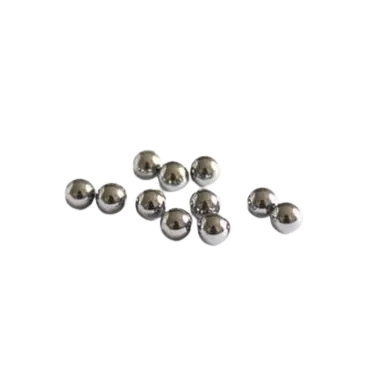
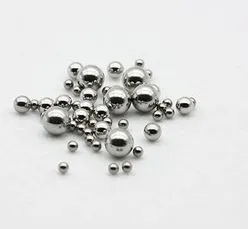
If you're in the chemical industry and are looking for high-quality metal balls for your applications, look no further! As a leading supplier of metal balls, we offer a wide range of products to meet your specific requirements. Whether you need Weldable Steel Balls, Carbon Steel Balls, or 316 Stainless Steel Balls, we've got you covered.
Our team of experts is always on hand to provide you with technical support and advice. We can help you select the right type and size of metal balls for your application, ensuring optimal performance and efficiency. So, don't hesitate to reach out and start a conversation with us. Let's work together to find the perfect metal ball solution for your chemical processes.
References
- "Handbook of Chemical Process Equipment" by Sidney M. Walas
- "Chemical Engineering: An Introductory Text" by J. R. Couper, J. R. Pawlikowski, K. W. Penney, and W. R. Walsh
- "The Properties of Metals and Alloys" by C. S. Barrett and T. B. Massalski