
Hey there! As a supplier of Inch Steel Balls, I often get asked all sorts of questions about these little guys. One question that pops up quite a bit is, "Are inch steel balls affected by humidity?" Well, let's dive right in and find out.
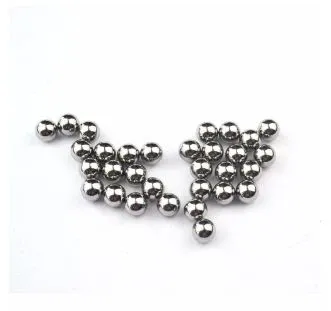
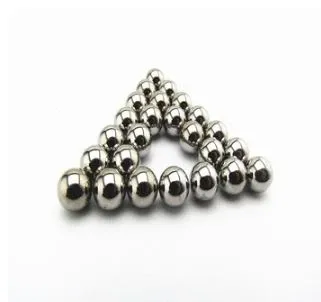
First off, let's talk a bit about what inch steel balls are. These are high - precision steel balls measured in inches, and they're used in a wide range of applications. From industrial machinery to automotive parts, Inch Steel Ball play a crucial role in making things work smoothly. You've got Solid Steel Balls which are super durable and great for heavy - duty applications, and Stainless Steel Ball that offer excellent corrosion resistance.
Now, back to the main question: humidity and its impact on inch steel balls. Humidity is basically the amount of water vapor in the air. When the air is humid, there's more water floating around, and this can spell trouble for steel balls.
One of the most obvious effects of high humidity on steel balls is rusting. Steel is an alloy made mostly of iron, and iron has a bit of a love - hate relationship with water. When iron comes into contact with water and oxygen (which is present in the air), a chemical reaction called oxidation occurs. This reaction forms iron oxide, which we commonly know as rust.
Rust isn't just an eyesore; it can really mess up the performance of inch steel balls. For starters, it can change the surface roughness of the ball. In applications where precision is key, like in ball bearings, even a tiny change in surface roughness can lead to increased friction. More friction means more wear and tear on the ball and the surrounding components. This can shorten the lifespan of the ball and potentially cause the whole system to fail prematurely.
Let's say you're using inch steel balls in a high - speed machine. The heat generated by the friction due to rusted balls can further exacerbate the problem. The increased heat can cause the steel to expand unevenly, which might lead to misalignment and more mechanical stress. This is a domino effect that can quickly turn a small rust problem into a major headache.
But it's not just about rust. High humidity can also affect the lubrication of steel balls. Lubricants are used to reduce friction and protect the surface of the balls. However, water from the humid air can mix with the lubricant. This can dilute the lubricant, reducing its effectiveness. A less effective lubricant means less protection against wear and corrosion.
In some cases, the water can even cause the lubricant to break down chemically. This is especially true for certain types of synthetic lubricants. Once the lubricant breaks down, it can leave behind deposits on the surface of the steel ball. These deposits can interfere with the smooth movement of the ball and again increase friction.
Now, not all inch steel balls are created equal when it comes to humidity resistance. Stainless steel balls, for example, are a lot more resistant to rust than regular carbon steel balls. Stainless steel contains chromium, which forms a thin, protective layer on the surface of the ball. This layer acts as a barrier, preventing water and oxygen from reaching the iron in the steel. So, if you're operating in a high - humidity environment, choosing Stainless Steel Ball might be a smart move.
But even stainless steel isn't completely immune. In extremely humid and corrosive environments, like near the ocean where the air contains salt (which is a catalyst for corrosion), stainless steel balls can still experience some degree of corrosion. The salt in the air can break down the protective chromium layer, allowing rust to form.
So, what can you do to protect your inch steel balls from the effects of humidity? Well, proper storage is crucial. Store the steel balls in a dry environment. You can use dehumidifiers in storage areas to keep the humidity levels low. A humidity level of around 30 - 50% is generally considered ideal for storing steel balls.
Another option is to use protective coatings on the steel balls. There are various types of coatings available that can provide an extra layer of protection against moisture and oxygen. These coatings can be applied during the manufacturing process or later as a secondary treatment.
When it comes to lubrication, make sure you're using high - quality lubricants that are resistant to water. Some lubricants are specifically formulated for use in humid environments. They have additives that help them repel water and maintain their performance even in the presence of moisture.
Regular inspection is also key. By checking your steel balls regularly, you can catch any signs of rust or corrosion early on. If you notice any rust spots, you can take action to remove the rust and prevent it from spreading. There are rust removers available that can be used safely on steel balls without damaging them.
In conclusion, humidity can definitely have a significant impact on inch steel balls. It can cause rusting, affect lubrication, and ultimately reduce the performance and lifespan of the balls. But with the right precautions, such as choosing the right type of steel ball, proper storage, and regular maintenance, you can minimize these effects.
If you're in the market for high - quality inch steel balls, whether it's Solid Steel Balls or Stainless Steel Ball, I'm here to help. I've got a wide range of options to suit your specific needs. If you have any questions or want to discuss your requirements further, feel free to reach out. Let's work together to find the perfect inch steel balls for your applications.
References
- Smith, J. (2018). "The Effects of Environmental Factors on Steel Components." Journal of Industrial Materials.
- Johnson, R. (2019). "Corrosion Resistance of Different Types of Steel Alloys." Materials Science Review.
- Brown, A. (2020). "Lubrication in Humid Environments." Tribology Today.