
Are cross rollers affected by chemical substances? This is a question that often comes up in industries where precision and durability are of utmost importance. As a Cross Roller supplier, I've seen firsthand the impact that various environmental factors can have on these crucial components. In this blog post, we'll explore the relationship between cross rollers and chemical substances, delving into the potential effects and how to mitigate them.
Understanding Cross Rollers
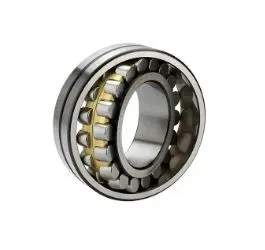
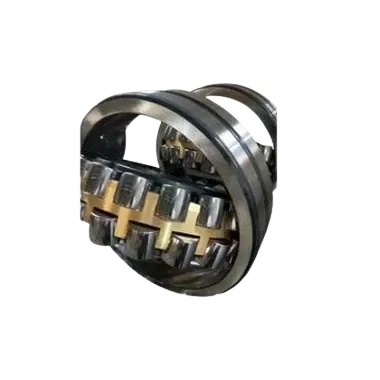
Before we dive into the topic of chemical substances, let's first understand what cross rollers are. Cross rollers, also known as cross-roller bearings, are a type of rolling-element bearing that consists of cylindrical rollers arranged in a crossed pattern within a cage. This unique design allows for high radial and axial load capacities, as well as excellent rigidity and precision. Cross rollers are commonly used in a wide range of applications, including robotics, machine tools, industrial automation, and aerospace.
The Cross Roller is a key component in many high-precision systems, providing smooth and reliable operation. Its design allows for efficient load distribution, reducing stress on individual rollers and extending the overall lifespan of the bearing.
How Chemical Substances Can Affect Cross Rollers
Corrosion
One of the most significant concerns when it comes to chemical substances and cross rollers is corrosion. Corrosion occurs when a metal surface reacts with its environment, leading to the deterioration of the material. Chemicals such as acids, alkalis, and salts can accelerate the corrosion process, causing pitting, rusting, and ultimately, failure of the cross rollers.
For example, in marine environments, saltwater can be extremely corrosive to metal components. If cross rollers are exposed to saltwater or salt spray, the chloride ions in the salt can penetrate the protective oxide layer on the roller surface, initiating corrosion. This can lead to a loss of surface smoothness, increased friction, and reduced load-carrying capacity.
Lubricant Degradation
Cross rollers rely on a lubricant to reduce friction and wear between the rolling elements and the raceways. However, certain chemical substances can react with the lubricant, causing it to degrade. This can result in a loss of lubrication performance, leading to increased friction, heat generation, and premature wear of the cross rollers.
Solvents, for instance, can dissolve or break down the lubricant, reducing its viscosity and film strength. This can make it more difficult for the lubricant to form a protective layer between the rollers and the raceways, increasing the risk of metal-to-metal contact and wear.
Material Compatibility
Not all materials are compatible with every chemical substance. Some cross rollers are made from specific alloys or materials that are designed to withstand certain chemical environments. However, if they are exposed to chemicals that are not compatible with their material composition, it can lead to chemical reactions that damage the rollers.
For example, some polymers used in cage materials may be susceptible to swelling or degradation when exposed to certain solvents or chemicals. This can cause the cage to lose its structural integrity, leading to misalignment of the rollers and potential bearing failure.
Identifying and Assessing Chemical Exposure Risks
To effectively protect cross rollers from the harmful effects of chemical substances, it's essential to identify and assess the potential risks. Here are some steps to consider:
Conduct a Chemical Audit
Start by conducting a thorough audit of the chemicals present in the operating environment. This includes identifying the types of chemicals, their concentrations, and the frequency and duration of exposure. This information will help you determine the level of risk and the appropriate protective measures.
Evaluate Chemical Compatibility
Once you've identified the chemicals, evaluate their compatibility with the cross rollers and other bearing components. Consult the manufacturer's specifications and material compatibility charts to determine if the materials used in the cross rollers are resistant to the chemicals in question.
Monitor Environmental Conditions
Regularly monitor the environmental conditions, including temperature, humidity, and chemical concentrations. This can help you detect any changes in the environment that may increase the risk of chemical exposure and take appropriate action.
Mitigating the Effects of Chemical Substances
Material Selection
One of the most effective ways to protect cross rollers from chemical substances is to select the right materials. Choose cross rollers made from corrosion-resistant materials, such as stainless steel or ceramic. These materials have a higher resistance to corrosion and can withstand exposure to a wider range of chemicals.
For applications where extreme chemical resistance is required, consider using special coatings or surface treatments on the cross rollers. These coatings can provide an additional layer of protection against corrosion and chemical attack.
Proper Sealing
Sealing is another important factor in protecting cross rollers from chemical substances. Use high-quality seals to prevent chemicals from entering the bearing and coming into contact with the rollers. Seals can also help retain the lubricant and prevent it from being contaminated by external chemicals.
Lubrication Management
Proper lubrication management is crucial for maintaining the performance and longevity of cross rollers. Use a lubricant that is compatible with the chemicals in the operating environment. Regularly monitor the lubricant condition and change it at the recommended intervals to ensure optimal performance.
Regular Maintenance and Inspection
Regular maintenance and inspection are essential for detecting and addressing any signs of chemical damage early on. Inspect the cross rollers for signs of corrosion, wear, or damage during routine maintenance checks. Replace any damaged or worn components promptly to prevent further damage.
Other Types of Rollers and Their Chemical Resistance
It's also worth considering how other types of rollers compare to cross rollers in terms of chemical resistance. Spherical Rollers, for example, have a different design and may offer different levels of chemical resistance. Spherical rollers are designed to accommodate misalignment and can be used in applications where there is a greater degree of axial and radial movement.
The Taper Roller Disign is another type of roller that is commonly used in various applications. Taper rollers are designed to handle both radial and axial loads and are often used in automotive and industrial applications.
When comparing the chemical resistance of different types of rollers, it's important to consider the specific materials used and the design of the bearing. Each type of roller has its own strengths and weaknesses when it comes to chemical exposure.
Conclusion
In conclusion, cross rollers can be significantly affected by chemical substances. Corrosion, lubricant degradation, and material compatibility issues are all potential concerns that need to be addressed to ensure the reliable operation of cross rollers. By understanding the risks, taking appropriate protective measures, and conducting regular maintenance and inspection, you can minimize the impact of chemical substances on cross rollers and extend their lifespan.
If you're in need of high-quality cross rollers or have any questions about their chemical resistance, please don't hesitate to reach out. Our team of experts is here to help you select the right cross rollers for your application and provide you with the support you need to ensure their long-term performance. Contact us today to start a conversation about your specific requirements.
References
- "Rolling Bearing Analysis" by Tedric A. Harris
- "Handbook of Lubrication and Tribology, Volume II: Applications" by Bharat Bhushan
- Manufacturer's specifications and technical literature for cross rollers and related components.