
Hey there! As a supplier of conical rollers, I've been getting a lot of questions lately about whether these bad boys are suitable for high - speed applications. So, I thought I'd sit down and write this blog to share my thoughts and insights on the matter.
Let's start with a quick rundown of what conical rollers are. Conical rollers are a type of rolling element that have a conical shape. They're commonly used in bearings, and they work by distributing the load over a larger area compared to other types of rollers. This can help to reduce stress and wear, which is great for extending the lifespan of the bearing.
Now, when it comes to high - speed applications, there are a few factors we need to consider. First off, speed itself. High - speed applications usually mean that the rollers are spinning at a really fast rate. This can generate a lot of heat due to friction between the rollers and the raceways in the bearing. Heat is not a friend of bearings; it can cause the materials to expand, which might lead to misalignment and premature wear.
Another factor is the centrifugal force. As the rollers spin faster, the centrifugal force acting on them increases. This force can push the rollers outwards, potentially causing them to lose contact with the raceways or even damage the bearing structure.
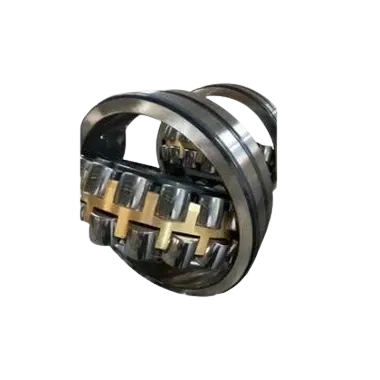
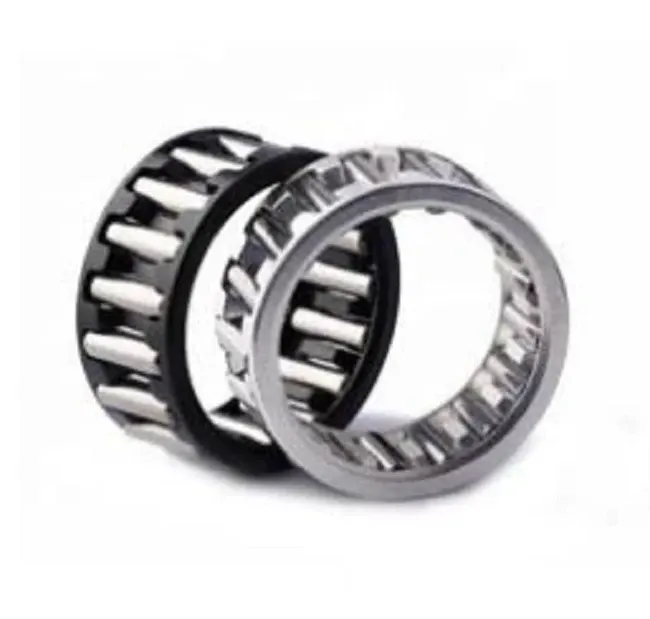
So, are conical rollers up to the task? Well, it depends. Conical rollers have some advantages that make them a good candidate for high - speed applications. For one, their conical shape allows for better guidance within the bearing. They can handle both radial and axial loads simultaneously, which is a huge plus in many high - speed setups where different types of forces are at play.
The design of conical rollers also helps in distributing the load more evenly. This means that the stress on each individual roller is reduced, which can help to prevent overheating and wear at high speeds. Additionally, modern manufacturing techniques have allowed us to produce conical rollers with very precise dimensions and smooth surfaces. This reduces friction, which in turn reduces heat generation and allows the rollers to operate more efficiently at high speeds.
However, there are also some challenges. One of the main issues is the lubrication. At high speeds, proper lubrication is crucial. The lubricant needs to be able to form a thin film between the rollers and the raceways to reduce friction and dissipate heat. If the lubrication is not sufficient, the rollers can overheat and fail.
Another challenge is the balancing of the rollers. Any imbalance in the rollers can cause vibrations at high speeds, which can lead to noise, reduced efficiency, and even damage to the bearing and the surrounding machinery.
Now, let's compare conical rollers with some other types of rollers. You've probably heard of Spherical Roller Spherical Roller. Spherical rollers are designed to accommodate misalignment. They have a spherical shape, which allows them to self - align within the bearing. While they're great for applications where misalignment is a concern, they might not be as efficient as conical rollers in high - speed applications. Their spherical shape can create more complex contact patterns, which can increase friction and heat generation at high speeds.
Then there's the Needle Roller Needle Roller. Needle rollers are long and thin. They're often used in applications where space is limited. However, they have a relatively small contact area with the raceways. This can lead to higher stress concentrations, which might not be ideal for high - speed applications where the rollers need to handle large loads without excessive wear.
Cylindrical Rollers Cylindrical Roller are another option. They're great for handling radial loads. But they're not as good at handling axial loads as conical rollers. In high - speed applications where both radial and axial loads are present, conical rollers might have an edge.
In my experience as a conical roller supplier, I've seen many successful high - speed applications. For example, in some automotive transmissions, conical rollers are used to transfer power at high speeds. With the right design, proper lubrication, and careful balancing, they can perform really well.
But it's not a one - size - fits - all situation. Before deciding whether conical rollers are suitable for a high - speed application, you need to carefully evaluate the specific requirements of your project. Consider factors like the speed, load, lubrication, and the operating environment.
If you're in the process of selecting rollers for a high - speed application, I'd be more than happy to help. I've got a team of experts who can analyze your needs and recommend the best solution. Whether it's about the right size, material, or surface treatment of the conical rollers, we've got the knowledge and experience to assist you.
So, if you're interested in learning more or want to start a discussion about purchasing conical rollers for your high - speed project, don't hesitate to reach out. We're here to make sure you get the best rollers for your application.
References
- Machinery's Handbook: A comprehensive guide to mechanical engineering, which provides in - depth knowledge about different types of rolling elements and their applications.
- Journal of Tribology: This journal often publishes research on friction, wear, and lubrication in bearings, which is relevant to the performance of conical rollers at high speeds.