
Hey there! As a supplier of carbon steel balls, I often get asked if these little guys are suitable for high - speed applications. Well, let's dive right in and break it down.
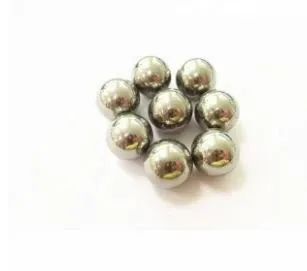
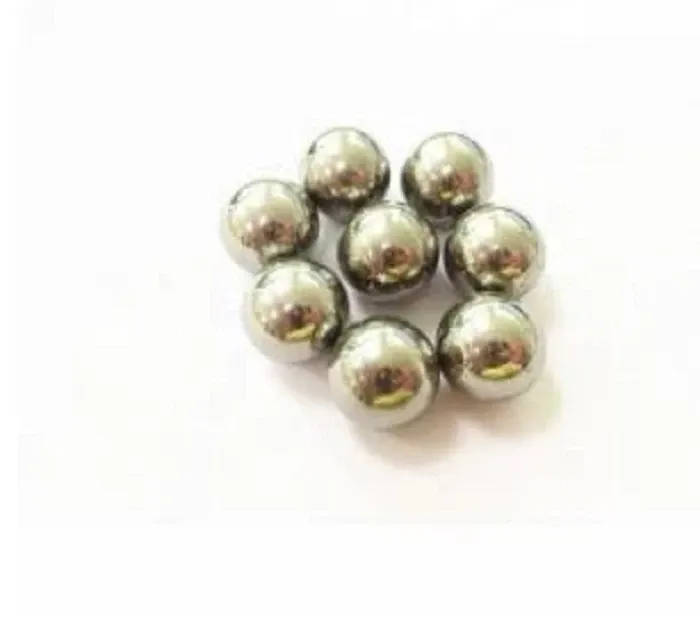
First off, what are carbon steel balls? They're made from steel that has carbon as the main alloying element. Carbon gives steel its hardness and strength, and depending on the carbon content, you can get different properties in the steel balls.
When it comes to high - speed applications, there are a few key factors we need to consider: wear resistance, heat resistance, and dimensional stability.
Wear Resistance
In high - speed applications, the parts are moving so fast that there's a lot of friction and contact between surfaces. This means the balls need to be able to resist wear. Carbon steel balls have decent wear resistance, especially when they're properly heat - treated. Heat treatment can increase the hardness of the balls, which in turn improves their ability to withstand the constant rubbing and scraping that happens at high speeds.
However, compared to some other materials like High Chrome Steel Balls, carbon steel might not be as wear - resistant. High chrome steel balls have a higher chromium content, which forms a hard and protective oxide layer on the surface. This layer helps reduce wear and tear, making them a great choice for extremely high - speed and high - load applications.
But don't count carbon steel balls out just yet. For many medium - speed and medium - load high - speed applications, carbon steel balls can do a pretty good job. They're more cost - effective than high chrome steel balls, which is a big plus for a lot of businesses.
Heat Resistance
High - speed applications generate a lot of heat. Friction between the balls and the surfaces they're in contact with can cause temperatures to rise quickly. If the balls can't handle the heat, they might start to deform or lose their hardness, which can lead to premature failure.
Carbon steel has a relatively lower heat resistance compared to some specialized alloys. When the temperature gets too high, the carbon steel balls can start to soften. This is because the heat breaks down the hard micro - structure that was created during heat treatment.
On the other hand, if the high - speed application doesn't generate excessive heat, carbon steel balls can work just fine. For example, in some low - friction high - speed applications where the heat is dissipated quickly, carbon steel balls can maintain their performance over a long period.
Dimensional Stability
Dimensional stability is crucial in high - speed applications. If the balls change size or shape even slightly, it can affect the performance of the entire system. For instance, in a high - speed bearing, any deviation in the ball's diameter can cause uneven loading, leading to vibrations and noise.
Carbon steel balls can offer good dimensional stability under normal operating conditions. But in high - temperature or high - stress high - speed applications, they might not be as stable as some other materials. For example, Din 5401 Steel Ball are known for their high precision and dimensional stability. They're manufactured to strict standards, which ensures that they maintain their shape and size even in challenging environments.
Real - World Applications
Let's look at some real - world high - speed applications and see if carbon steel balls are a good fit.
Automotive Industry
In automotive engines, there are many high - speed components like camshafts and fuel injectors. Carbon steel balls can be used in some less critical high - speed parts. For example, in the valve train system, carbon steel balls can act as followers. They can handle the medium - speed and medium - load requirements of this application. However, in the high - performance and high - speed parts of the engine, like the turbocharger bearings, more specialized materials might be preferred.
Machine Tools
Machine tools often operate at high speeds. Carbon steel balls can be used in the ball screws and linear guides of some machine tools. They're suitable for applications where the speed is not extremely high and the load is moderate. For high - precision and high - speed machine tools, though, Din 5401 Steel Ball or other high - performance materials might be a better choice.
Advantages of Using Carbon Steel Balls in High - Speed Applications
- Cost - Effectiveness: As I mentioned earlier, carbon steel balls are generally more affordable than other high - performance materials. This makes them a great option for businesses that are looking to keep their costs down without sacrificing too much on performance.
- Availability: Carbon steel is a widely available material, which means that carbon steel balls can be produced in large quantities. This ensures a steady supply for high - volume high - speed applications.
- Ease of Machining: Carbon steel is relatively easy to machine compared to some other alloys. This allows for more precise manufacturing of the balls, which is important for high - speed applications where tight tolerances are required.
Disadvantages of Using Carbon Steel Balls in High - Speed Applications
- Limited Wear and Heat Resistance: As we've discussed, carbon steel balls might not be the best choice for extremely high - speed and high - load applications due to their limited wear and heat resistance.
- Corrosion Susceptibility: Carbon steel is prone to corrosion, especially in moist or corrosive environments. This can reduce the lifespan of the balls in high - speed applications where they're exposed to these conditions.
So, are carbon steel balls suitable for high - speed applications? The answer is: it depends. They can be a great choice for many medium - speed and medium - load high - speed applications, especially when cost is a major concern. However, for extremely high - speed, high - load, or high - temperature applications, other materials might be more appropriate.
If you're in the market for carbon steel balls for your high - speed application, I'd love to have a chat with you. Whether you need help determining if carbon steel balls are right for your specific needs or you're ready to place an order, I'm here to assist. Let's start a conversation and find the best solution for your business.
References
- ASM Handbook Volume 1: Properties and Selection: Irons, Steels, and High - Performance Alloys
- Machinery's Handbook 31st Edition
- Journal of Materials Science and Engineering research on high - speed applications of steel materials