
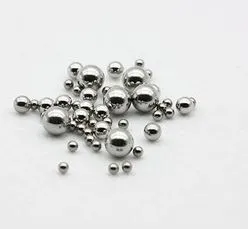
Are carbon steel balls magnetic? This is a question that often comes up in various industries where these versatile components are used. As a supplier of Carbon Steel Balls, I've encountered this query numerous times from customers, engineers, and enthusiasts alike. In this blog post, I'll delve into the science behind the magnetic properties of carbon steel balls, explore the factors that influence their magnetism, and discuss the practical implications of these properties in different applications.
Understanding Carbon Steel
Before we dive into the magnetic properties of carbon steel balls, it's essential to understand what carbon steel is. Carbon steel is an alloy primarily composed of iron and carbon, with small amounts of other elements such as manganese, silicon, sulfur, and phosphorus. The carbon content in carbon steel typically ranges from 0.05% to 2.1%, which significantly affects the steel's properties, including its strength, hardness, and ductility.
Carbon steel is classified into different categories based on its carbon content:
- Low carbon steel: Contains less than 0.3% carbon. It is relatively soft, ductile, and easy to form, making it suitable for applications such as sheet metal, pipes, and structural components.
- Medium carbon steel: Has a carbon content between 0.3% and 0.6%. It offers a good balance of strength and ductility, making it ideal for applications such as gears, shafts, and axles.
- High carbon steel: Contains more than 0.6% carbon. It is hard, strong, and wear-resistant, but also more brittle. High carbon steel is commonly used in applications such as cutting tools, springs, and wire ropes.
Magnetic Properties of Carbon Steel
The magnetic properties of a material are determined by its atomic structure and the arrangement of its electrons. In ferromagnetic materials, such as iron, nickel, and cobalt, the atoms have unpaired electrons that align in the same direction, creating a magnetic field. This alignment is known as magnetization, and it allows ferromagnetic materials to be attracted to magnets and to retain their magnetization even after the external magnetic field is removed.
Carbon steel is a ferromagnetic material because it contains a significant amount of iron. The iron atoms in carbon steel have unpaired electrons that can align in the presence of a magnetic field, making the steel magnetic. However, the magnetic properties of carbon steel can vary depending on several factors, including the carbon content, the presence of other alloying elements, and the heat treatment process.
Effect of Carbon Content
The carbon content in carbon steel can affect its magnetic properties. Generally, as the carbon content increases, the magnetic permeability of the steel decreases. This is because the carbon atoms disrupt the alignment of the iron atoms, making it more difficult for the magnetic domains to form and align in the presence of a magnetic field. As a result, high carbon steel is less magnetic than low carbon steel.
Effect of Alloying Elements
In addition to carbon, carbon steel may contain other alloying elements such as manganese, silicon, chromium, and nickel. These elements can also affect the magnetic properties of the steel. For example, manganese can increase the magnetic permeability of carbon steel, while chromium and nickel can decrease it. The presence of these alloying elements can also change the crystal structure of the steel, which can further affect its magnetic properties.
Effect of Heat Treatment
Heat treatment is a process used to alter the properties of carbon steel by heating and cooling it under controlled conditions. Different heat treatment processes, such as annealing, quenching, and tempering, can have a significant impact on the magnetic properties of carbon steel. For example, annealing can increase the magnetic permeability of carbon steel by reducing the internal stresses and improving the alignment of the magnetic domains. On the other hand, quenching can decrease the magnetic permeability by creating a hard and brittle structure that disrupts the alignment of the magnetic domains.
Practical Implications of Magnetic Properties
The magnetic properties of carbon steel balls have several practical implications in different applications. Here are some examples:

Industrial Applications
In industrial applications, the magnetic properties of carbon steel balls can be used for various purposes. For example, in magnetic separation processes, carbon steel balls can be used to separate magnetic materials from non-magnetic materials. The magnetic balls are attracted to a magnetic field, while the non-magnetic materials are not. This allows for the efficient separation of different materials based on their magnetic properties.
Another industrial application of magnetic carbon steel balls is in magnetic bearings. Magnetic bearings use magnetic fields to support and guide rotating shafts, eliminating the need for traditional mechanical bearings. Carbon steel balls can be used as the magnetic elements in these bearings, providing a reliable and efficient way to support and control the movement of the shafts.
Consumer Applications
In consumer applications, the magnetic properties of carbon steel balls can also be useful. For example, in magnetic toys and games, carbon steel balls can be used to create interesting and interactive experiences. The balls can be attracted to magnets, allowing for the creation of various shapes and structures.
Carbon steel balls can also be used in magnetic jewelry. The magnetic properties of the balls can be used to create unique and stylish designs, while also providing some potential health benefits. Some people believe that wearing magnetic jewelry can help improve blood circulation and reduce pain and inflammation.
Our Carbon Steel Ball Products
As a supplier of Carbon Steel Balls, we offer a wide range of products to meet the diverse needs of our customers. Our carbon steel balls are made from high-quality materials and are available in various sizes and grades. Whether you need Metric Steel Ball for precision applications, Weldable Steel Balls for welding operations, or Large Steel Ball for heavy-duty applications, we have the right solution for you.
Our carbon steel balls are carefully manufactured to ensure consistent quality and performance. We use advanced manufacturing techniques and strict quality control measures to ensure that our products meet the highest standards. Whether you need a small quantity of carbon steel balls for a specific project or a large volume for mass production, we can provide you with the products you need in a timely and cost-effective manner.
Contact Us for Procurement
If you're interested in purchasing carbon steel balls or have any questions about our products, please don't hesitate to contact us. Our team of experts is always ready to assist you and provide you with the information you need. We can help you choose the right type of carbon steel balls for your application, provide you with a quote, and answer any other questions you may have.
We understand the importance of providing excellent customer service, and we strive to build long-term relationships with our customers. Whether you're a small business or a large corporation, we're committed to meeting your needs and providing you with the best possible products and services.
References
- ASM Handbook Volume 1: Properties and Selection: Irons, Steels, and High-Performance Alloys
- Introduction to Ferromagnetic Materials by B. D. Cullity and C. D. Graham
- Materials Science and Engineering: An Introduction by William D. Callister Jr. and David G. Rethwisch