
As a supplier of carbon steel balls, I often encounter inquiries from customers about the machinability of these products. Machinability is a crucial factor in many manufacturing processes, as it directly affects the efficiency, cost, and quality of the final product. In this blog post, I will delve into the topic of whether carbon steel balls are easy to machine, exploring the factors that influence their machinability and providing practical insights for manufacturers.
Understanding Carbon Steel Balls
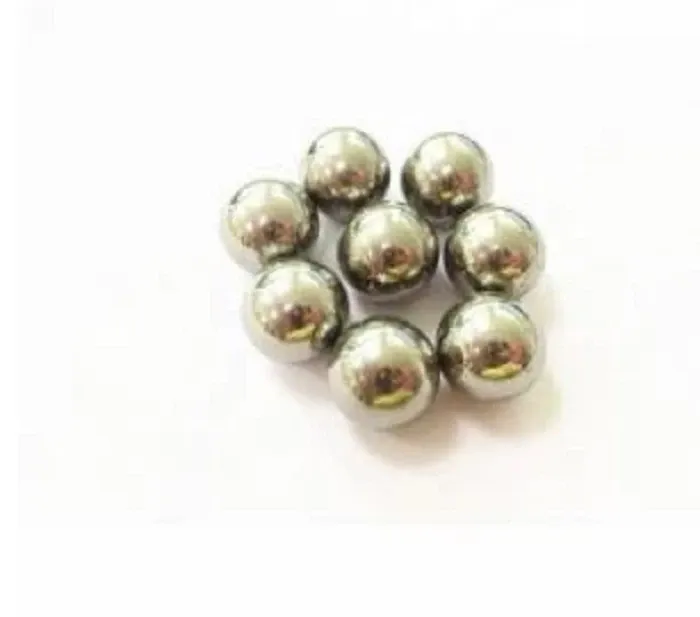
Carbon steel is an alloy of iron and carbon, with carbon content typically ranging from 0.05% to 2.1%. The addition of carbon enhances the hardness, strength, and wear resistance of the steel, making it suitable for a wide range of applications. Carbon steel balls are commonly used in bearings, valves, pumps, and other mechanical components where high precision and durability are required.
There are several types of carbon steel balls available, each with its own unique properties and characteristics. Some of the most common types include Din 5401 Steel Ball, Large Steel Ball, and Metric Steel Ball. These balls are manufactured using different processes and materials, which can affect their machinability.
Factors Affecting the Machinability of Carbon Steel Balls
The machinability of carbon steel balls is influenced by several factors, including the chemical composition of the steel, the hardness and microstructure of the material, the machining process used, and the cutting tools and parameters employed. Let's take a closer look at each of these factors:
Chemical Composition
The chemical composition of carbon steel plays a significant role in its machinability. Higher carbon content generally results in increased hardness and strength, but it can also make the steel more difficult to machine. Other alloying elements, such as manganese, silicon, and sulfur, can also affect the machinability of carbon steel. For example, sulfur can improve the machinability of steel by forming sulfide inclusions that act as chip breakers, reducing the tendency for chips to weld to the cutting tool.
Hardness and Microstructure
The hardness and microstructure of carbon steel balls are closely related to their machinability. Harder steels are generally more difficult to machine, as they require higher cutting forces and can cause more wear on the cutting tools. The microstructure of the steel, which is determined by its heat treatment and processing history, can also affect its machinability. For example, a fine-grained microstructure can improve the machinability of steel by reducing the tendency for chips to form long, continuous strings.
Machining Process
The machining process used to manufacture carbon steel balls can have a significant impact on their machinability. Different machining processes, such as turning, milling, drilling, and grinding, require different cutting tools and parameters. For example, turning is a common process used to machine carbon steel balls, and it typically requires a sharp cutting tool with a high rake angle to reduce cutting forces and improve chip formation. Milling, on the other hand, is a more versatile process that can be used to machine complex shapes and features, but it may require more powerful cutting tools and higher cutting speeds.
Cutting Tools and Parameters
The choice of cutting tools and parameters is critical for achieving good machinability of carbon steel balls. The cutting tool material, geometry, and coating can all affect the cutting performance and tool life. For example, carbide cutting tools are commonly used for machining carbon steel due to their high hardness and wear resistance. The cutting parameters, such as cutting speed, feed rate, and depth of cut, also need to be carefully selected to optimize the machining process. Higher cutting speeds can increase the productivity of the machining process, but they can also cause more wear on the cutting tools and reduce the surface finish of the machined part.
Advantages of Machining Carbon Steel Balls
Despite the challenges associated with machining carbon steel balls, there are several advantages to using this material in manufacturing processes. Some of the key advantages include:
High Strength and Durability
Carbon steel balls are known for their high strength and durability, making them suitable for use in demanding applications. They can withstand high loads, pressures, and temperatures without deforming or breaking, ensuring long service life and reliable performance.
Good Machinability with the Right Tools and Parameters
While carbon steel can be more difficult to machine than some other materials, it can be machined effectively with the right cutting tools and parameters. By selecting the appropriate cutting tool material, geometry, and coating, and optimizing the cutting parameters, manufacturers can achieve good surface finish, dimensional accuracy, and productivity when machining carbon steel balls.
Cost-Effectiveness
Carbon steel is a relatively inexpensive material compared to other metals, such as stainless steel and titanium. This makes carbon steel balls a cost-effective option for many manufacturing applications, especially those that require large quantities of balls.
Tips for Machining Carbon Steel Balls
To ensure successful machining of carbon steel balls, it is important to follow some best practices and tips. Here are some recommendations:
Select the Right Cutting Tools
Choose cutting tools that are specifically designed for machining carbon steel. Carbide cutting tools are a popular choice due to their high hardness and wear resistance. Make sure the cutting tools are sharp and in good condition before starting the machining process.
Optimize the Cutting Parameters
Experiment with different cutting speeds, feed rates, and depths of cut to find the optimal parameters for your specific machining application. Higher cutting speeds can increase productivity, but they may also cause more wear on the cutting tools. Lower feed rates can improve the surface finish of the machined part, but they may also reduce productivity.
Use Coolants and Lubricants
Coolants and lubricants can help to reduce cutting forces, prevent chip welding, and improve the surface finish of the machined part. Choose a coolant or lubricant that is compatible with the cutting tool and the workpiece material.
Monitor the Machining Process
Regularly monitor the machining process to ensure that the cutting tools are performing properly and that the machined parts meet the required specifications. Check the surface finish, dimensional accuracy, and tool wear regularly, and make adjustments to the cutting parameters as needed.
Conclusion
In conclusion, the machinability of carbon steel balls depends on several factors, including the chemical composition of the steel, the hardness and microstructure of the material, the machining process used, and the cutting tools and parameters employed. While carbon steel can be more difficult to machine than some other materials, it can be machined effectively with the right tools and parameters. By understanding the factors that affect the machinability of carbon steel balls and following some best practices and tips, manufacturers can achieve good surface finish, dimensional accuracy, and productivity when machining these products.
If you are interested in purchasing carbon steel balls for your manufacturing applications, I encourage you to contact me to discuss your specific requirements. As a leading supplier of carbon steel balls, I can provide you with high-quality products at competitive prices. I look forward to hearing from you and working with you to meet your needs.
References
- ASM Handbook, Volume 16: Machining, ASM International, 2009.
- Manufacturing Engineering Handbook, Third Edition, CRC Press, 2018.
- Machining Fundamentals, Society of Manufacturing Engineers, 2015.